Tag: men’s yukata

  • Why More Americans Are Choosing Kimono Robes Instead of Traditional Bathrobes

    For generations, the traditional bathrobe has been a familiar part of American homes. Thick terry cloth, oversized sleeves, and a simple tie around the waist have made bathrobes synonymous with comfort and lazy mornings. But a new alternative is gaining attention: the kimono robe.

    Inspired by the elegant silhouette of Japanese kimono-style garments, kimono robes are becoming increasingly popular with Americans who want something that feels comfortable without looking overly casual. From morning routines to relaxing evenings, they offer a different approach to everyday loungewear—and their appeal goes far beyond aesthetics.

    Comfort Without the Bulk

    One of the biggest reasons people are moving away from traditional bathrobes is their weight. Classic terry-cloth robes are designed primarily for drying off after a bath or shower. While this may be practical, they are often thick and heavy.

    Kimono robes tend to take a lighter approach. Depending on the fabric, they can be breathable, soft, and easy to wear for extended periods. Lightweight cotton, linen blends, and other flowing fabrics make them especially appealing in warmer climates or during the summer months.

    Instead of feeling like you’re wearing a towel around the house, a kimono robe can feel more like comfortable everyday clothing.

    A More Stylish Take on Loungewear

    Traditional bathrobes are generally designed with function in mind. Kimono robes add a stronger fashion element.

    Their relaxed, open-front design and distinctive sleeves create a silhouette that looks polished while remaining effortless. Patterns can range from subtle solids to floral prints and bold designs, allowing wearers to choose a robe that reflects their personality.

    That versatility is particularly attractive as the boundaries between loungewear and regular clothing continue to blur. People increasingly want pieces that are comfortable enough for home but presentable enough to wear while enjoying breakfast, working remotely, or answering the door.

    A kimono-style robe can bridge that gap.

    Perfect for Modern Morning Routines

    The modern morning routine is another reason kimono robes are finding a place in American wardrobes.

    Imagine waking up, making a cup of coffee, and starting the day without immediately changing into jeans or structured clothing. A lightweight robe provides comfort while still making the morning feel intentional.

    For people who work from home, this can be especially appealing. While a traditional bathrobe may feel too informal, a well-designed kimono robe can create a more put-together appearance without sacrificing comfort.

    It also fits naturally into self-care routines, whether that’s enjoying a slow cup of tea, reading, practicing skincare, or simply taking a few quiet minutes before the day begins.

    Versatility Beyond the Bathroom

    The name “bathrobe” suggests a garment with one primary purpose: getting dressed after a bath or shower. Kimono robes are less restrictive in that regard.

    They can be worn over pajamas, loungewear, or even as a lightweight layer over other clothing. Some people use them while getting ready for special occasions, making them popular among bridal parties and anyone preparing for a night out.

    Their versatility also makes them useful when traveling. A lightweight kimono robe takes up less space than many bulky traditional robes, making it easier to pack in a suitcase.

    An Appreciation for Japanese-Inspired Design

    There is also a growing appreciation for Japanese-inspired aesthetics in American interiors, fashion, and lifestyle products. Simplicity, clean lines, natural materials, and thoughtful details have broad appeal for consumers seeking a calmer, less cluttered style.

    Kimono robes fit naturally into that aesthetic.

    It’s important to note that contemporary kimono robes sold as loungewear are often inspired by the shape or visual elements of traditional Japanese kimono rather than being authentic kimono themselves. Traditional kimono have a rich cultural history, specific construction techniques, and meanings that shouldn’t be reduced to simply “bathrobes.”

    For American consumers, the modern kimono-style robe is best understood as a comfortable piece of loungewear influenced by an enduring design tradition.

    A Better Fit for Different Seasons

    Another advantage is the range of fabrics available. A plush robe may be perfect on a cold winter morning, but it can become uncomfortable once temperatures rise.

    Kimono robes are available in materials suited to different seasons. Lightweight cotton can work well for warm weather, while thicker fabrics can provide additional warmth during cooler months.

    This variety makes it possible to choose a robe based not only on appearance but also on climate and personal comfort.

    The Appeal Is Comfort With Personality

    The growing popularity of kimono robes ultimately reflects a broader change in how Americans think about comfort. Loungewear is no longer expected to be purely practical. Consumers increasingly want clothing that feels good, looks attractive, and fits naturally into their lifestyle.

    Traditional bathrobes aren’t disappearing anytime soon. Their warmth, absorbency, and familiar comfort still make them excellent choices after a shower or on a cold morning.

    But for those looking for something lighter, more versatile, and more visually distinctive, the kimono robe offers an appealing alternative.

    It’s comfortable enough for slow mornings, stylish enough for relaxing at home, and versatile enough to become part of an everyday wardrobe. For many Americans, that’s exactly what modern loungewear should be.
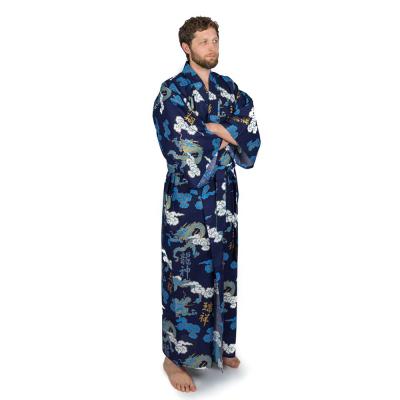
    Man wearing the cloud dragon-inspired yukata from Kimono Shop
    Cloud Dragon Yukata
  • 7 Essential Myths About Japanese Kimonos

    For many Western consumers, the word kimono evokes a beautiful robe with wide sleeves. However, that image isn’t entirely accurate.

    It is far from the whole story about authentic kimonos.

    Kimonos are not simply decorative garments or interchangeable ‘Japanese robes.’

    They are authentic kimonos.

    However, authentic kimonos exist within a rich clothing tradition shaped by season and occasion. They reflect social context, craftsmanship, symbolism, and regional history.

    Meanwhile, garments Western shoppers group under the kimono label—such as yukata and happi coats—have distinct identities and uses.

    For modern retailers, understanding these distinctions is essential. Moreover, it helps customers recognize authentic kimonos and appreciate Japanese craftsmanship without reducing culture to costume.

    Kimono, Yukata, and Happi Coats Are Not the Same Thing

    One of the most common misconceptions is that every Japanese garment with wide sleeves and a wrap-style front is a kimono. In reality, several garments can look superficially similar while serving very different purposes.

    Kimono: A Garment With Deep Cultural Context

    The term kimono literally means “thing to wear,” but contemporary kimono culture encompasses a highly developed tradition of dress.

    Traditional kimonos are crafted from carefully constructed panels of fabric.

    They are worn with an obi, the broad sash that helps create the garment’s distinctive silhouette.

    Different types of kimono are associated with different occasions, seasons, ages, levels of formality, and social situations.

    A formal kimono worn for a wedding, for example, communicates something very different from a casual garment worn at a seasonal gathering. Patterns, colors, fabric, accessories, and the way a kimono is styled can all contribute to its meaning.

    That context is easy to lose when kimono are presented simply as fashion accessories.

    Yukata: Lightweight, Casual, and Closely Associated With Summer

    Yukata are often called “summer kimono,” but describing them this way can blur an important distinction.

    Traditionally, yukata were informal garments associated with bathing and later developed into popular summer clothing. Today, they are commonly worn at summer festivals, fireworks displays, and other relaxed seasonal occasions.

    They are generally lighter and less formal than many traditional kimono and are often made from cotton. Their colorful designs and relatively accessible construction have also made yukata particularly popular with visitors to Japan.

    For retailers, labeling a yukata accurately helps customers understand why it may be appropriate for a summer festival but not equivalent to a formal kimono.

    Happi Coats: Practical, Communal, and Festive

    Happi coats are another garment frequently mistaken for kimono.

    These short, loose-fitting coats are historically associated with groups, businesses, festivals, and other communal settings. Their bold designs and relatively simple construction give them a very different visual and cultural character from formal kimono.

    A happi coat may feature a large emblem, kanji, or other graphic design identifying a festival organization, business, or group. Rather than treating it as another style of robe, retailers can explain its connection to communal identity and celebrations.

    That small amount of context can transform a customer’s understanding of what they are buying.

    Clothing Can Communicate More Than Style

    Another misconception is that kimono patterns are purely decorative.

    Japanese textile traditions often use motifs that carry associations with nature, seasons, longevity, prosperity, celebrations, or other ideas. Chrysanthemums, cranes, waves, plum blossoms, bamboo, fans, and other motifs can have cultural or symbolic associations, although their meaning can vary depending on context.

    Color can matter, too. Certain combinations or motifs may be particularly appropriate for specific seasons or occasions.

    This does not mean every kimono pattern has a single secret meaning. Retailers should avoid presenting symbolism as a rigid code in which every flower or color has one universal translation.

    Instead, product descriptions can provide accurate, nuanced context: explain the motif, describe its traditional associations, and acknowledge when interpretations vary.

    Craftsmanship Is Part of the Story

    A kimono is not simply a piece of fabric cut into a robe.

    Traditional kimono production can involve weaving, dyeing, embroidery, painting, resist-dyeing techniques, hand finishing, and other specialized skills. Depending on the garment, textile production and decoration can require considerable expertise.

    Techniques such as yuzen dyeing, shibori resist dyeing, and intricate embroidery demonstrate how Japanese textile traditions combine design with highly skilled craftsmanship.

    For retailers, highlighting how a garment was made can be far more meaningful than describing it merely as “Japanese-inspired.”

    Customers increasingly want to know where products come from, who made them, what materials were used, and why particular techniques matter. Sharing that information respectfully gives craftsmanship the attention it deserves while helping consumers make more informed purchases.

    Kimono Are Not Simply Costumes

    One of the most persistent Western misconceptions is the idea that kimono are essentially costumes for special occasions, themed parties, or visual performances.

    Kimono are clothing. They can be formal or informal, traditional or contemporary, ceremonial or everyday depending on the garment and context. Japanese designers and wearers have also continued to reinterpret kimono in modern ways.

    This distinction matters when retailers market kimono-inspired products.

    Using a kimono as a fashion reference is not inherently disrespectful. The problem arises when a complex cultural tradition is stripped of its context and presented as an exotic costume, novelty, or generic symbol of “Japan.”

    Marketing language can make a substantial difference. A product described with accurate information about its design, construction, and cultural context invites appreciation. A product marketed around stereotypes or “dressing up as Japanese” reinforces them.

    Appreciation Versus Cultural Appropriation

    The conversation around cultural appropriation can sometimes seem difficult for retailers to navigate. A useful starting point is to distinguish between learning from a culture and reducing that culture to an aesthetic commodity.

    Respectful appreciation begins with curiosity and context.

    Retailers can:

    • Use accurate names for garments.
    • Explain differences between kimono, yukata, and happi coats.
    • Credit designers, artisans, workshops, and textile traditions where appropriate.
    • Provide information about materials, production techniques, and provenance.
    • Avoid stereotypes in photography, copy, and advertising.
    • Avoid presenting sacred, ceremonial, or culturally significant elements as generic accessories.
    • Encourage customers to learn about the culture behind the product rather than simply consuming its visual style.

    The goal isn’t to suggest that people outside Japan can never wear kimono or kimono-inspired clothing. In fact, visitors to Japan are often invited to experience wearing kimono or yukata as part of cultural tourism.

    The important question is how the garment is represented and understood.

    Wearing a yukata to a summer festival while learning how it is traditionally styled is fundamentally different from treating a culturally significant garment as a Halloween costume.

    Retailers Have an Educational Opportunity

    The modern retail environment gives businesses an unusual ability to provide context at the moment of purchase.

    A product page can explain whether an item is a kimono, yukata, or happi coat. A store display can describe the textile technique used to create a pattern. Packaging can introduce the artisan or region associated with a textile. Social media can show how garments are traditionally worn while acknowledging contemporary interpretations.

    Even a short explanation can correct a major misconception.

    Instead of:

    “Japanese robe with beautiful traditional patterns.”

    A retailer could explain:

    “This lightweight cotton yukata is a casual Japanese garment traditionally associated with summer. Its seasonal motif reflects a long-standing Japanese appreciation for nature and changing seasons.”

    The second description doesn’t just sell the product. It gives the customer a reason to understand and value it.

    Modern Kimono Culture Is Not Frozen in Time

    Respectful education also means avoiding the opposite mistake: treating kimono culture as something that exists only in the past.

    Kimono continue to evolve. Contemporary makers, artists, designers, and wearers experiment with fabrics, silhouettes, styling, and ways of incorporating kimono into modern wardrobes.

    Traditional craftsmanship can coexist with contemporary fashion.

    For retailers, this creates an opportunity to tell a more complete story—one that acknowledges historical traditions without suggesting that Japanese clothing culture is static or exists primarily for Western consumption.

    A Better Way to Sell Cultural Products

    The strongest retail approach is not to remove culture from the sales experience. It is to provide more of it.

    Customers can appreciate beautiful clothing while also learning what makes that clothing meaningful. They can discover why a yukata differs from a formal kimono, what a happi coat represents, why certain motifs appear repeatedly in Japanese textiles, and how skilled artisans bring those designs to life.

    That educational approach benefits both consumers and creators.

    It helps customers purchase with confidence. It gives craftsmanship greater visibility. It reduces stereotypes. And, most importantly, it treats Japanese clothing traditions as living cultural practices rather than interchangeable decorative themes.

    For modern retailers, the lesson is simple: don’t just sell the look—tell the story behind it.

    When businesses provide accurate terminology, cultural context, craftsmanship details, and thoughtful guidance, they give customers something more valuable than a product. They give them a way to appreciate Japanese textile traditions with greater understanding and respect.

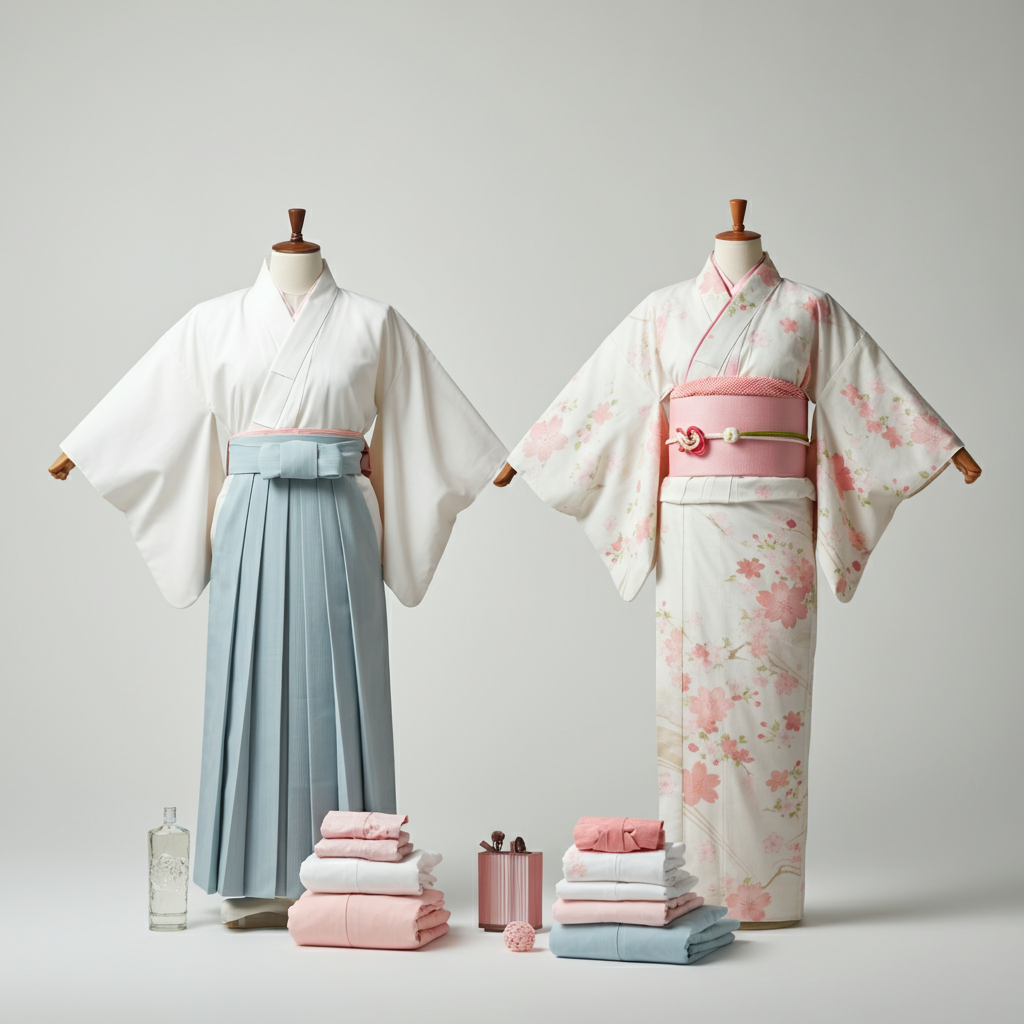
    Kimono Shop offers a wide selection of kimono and yukata
    The World of Kimonos

  • Why Japanese Design Feels Calmer Than Western Fashion, Designers Explain

    In an age of fast fashion, endless trends, and constant digital stimulation, consumers seek something timeless, intentional, and calming.

    This shift in buying behavior has fueled appreciation for Japanese design.

    Traditional garments like the kimono and yukata robe illustrate that trend.

    While Western fashion often celebrates bold self-expression and rapid reinvention, Japanese design embraces simplicity and craftsmanship.

    These qualities resonate deeply with today’s consumers.

    Designers, psychologists, and trend forecasters have noted a significant shift toward products that promote well-being rather than excess. Japanese-inspired clothing has become more than a fashion statement; it represents a lifestyle centered around comfort, mindfulness, and authenticity. Focus keyphrase: kimono.

    The Rise of Mindful Consumerism

    Today’s shoppers are becoming more intentional about what they purchase. Instead of filling closets with disposable clothing, many consumers are investing in garments that offer lasting value, versatility, and emotional satisfaction.

    This emerging consumer behavior reflects a desire to slow down and make thoughtful choices. Japanese design naturally aligns with these values. Every detail—from the clean lines and balanced proportions to carefully selected fabrics—encourages a sense of harmony rather than distraction.

    Unlike many fashion trends that quickly fade, traditional Japanese garments have remained relevant for centuries because they prioritize function alongside beauty.

    Why Simplicity Feels So Appealing

    Psychologists have long understood that visual simplicity reduces cognitive overload. When our surroundings contain fewer competing elements, our brains require less effort to process information. The result is a feeling of calm, which aligns with the kimono’s emphasis on understated design.

    Japanese aesthetics embrace principles such as balance, negative space, and understated elegance. Rather than overwhelming the eye with excessive decoration, each design element serves a purpose.

    This philosophy extends naturally into clothing. The flowing silhouette of a kimono or yukata robe allows the wearer to feel comfortable while creating a graceful visual balance. Neutral colors, nature-inspired prints, and uncluttered patterns often evoke feelings of peace and relaxation.

    For many people, wearing Japanese-inspired clothing becomes an extension of creating a calmer lifestyle.

    The Emotional Connection to Craftsmanship

    Another reason Japanese fashion continues to attract devoted admirers is its emphasis on craftsmanship.

    Consumers increasingly appreciate products that feel authentic and thoughtfully made. Traditional Japanese garments represent generations of textile artistry, dyeing techniques, weaving methods, and attention to detail that cannot easily be replicated through mass production.

    Owning a beautifully crafted kimono or yukata robe often feels different from purchasing ordinary clothing. It carries a story, a heritage, and a sense of respect for skilled artisans.

    As consumers seek deeper meaning behind their purchases, this emotional connection becomes just as valuable as the garment itself.

    Comfort Has Become a Luxury

    One of the biggest shifts in post-pandemic fashion has been the growing demand for comfortable clothing that still feels elegant.

    The popularity of relaxed silhouettes, natural fibers, and versatile garments has transformed how consumers define luxury. Rather than restrictive tailoring or flashy embellishments, many shoppers now associate luxury with ease.

    Japanese yukata robes perfectly embody this evolution.

    Originally worn after bathing or during warm-weather festivals, today’s yukata robes have become beloved around the world as stylish loungewear, spa robes, vacation attire, and lightweight layering pieces. Their breathable fabrics and relaxed fit allow wearers to feel comfortable without sacrificing sophistication.

    Likewise, modern kimono-inspired robes offer remarkable versatility. They transition effortlessly from quiet mornings at home to elegant evenings or resort wear, making them practical additions to contemporary wardrobes.

    Nature as Design Inspiration

    Japanese design frequently draws inspiration from the natural world.

    Cherry blossoms, bamboo, cranes, waves, maple leaves, and seasonal flowers are more than decorative patterns—they reflect an appreciation for the changing rhythms of nature.

    Research into environmental psychology suggests that natural imagery can contribute to feelings of relaxation and emotional well-being. Whether consciously recognized or not, these familiar motifs often create subtle emotional responses.

    For consumers seeking respite from busy daily lives, clothing inspired by nature provides another layer of psychological comfort.

    The Appeal of Timeless Fashion

    Western fashion often moves through seasonal cycles driven by rapidly changing trends. Japanese design, however, tends to prioritize enduring beauty over novelty.

    This timelessness appeals strongly to modern consumers who are becoming increasingly skeptical of disposable fashion.

    Rather than asking, “Will this be in style next year?” buyers are asking, “Will I still love wearing this years from now?”

    Traditional Japanese garments answer that question remarkably well. Their classic silhouettes have remained admired across generations because they transcend temporary trends.

    Fashion That Encourages Presence

    Perhaps the greatest psychological appeal of Japanese clothing lies in how it changes the experience of getting dressed.

    The flowing shape, gentle movement, and comfortable fit encourage wearers to slow down and appreciate the present moment. Instead of chasing fashion, many people find themselves enjoying the quiet confidence that comes from wearing something both beautiful and comfortable.

    This growing appreciation reflects a broader cultural movement toward wellness, mindfulness, and intentional living.

    Consumers are no longer buying clothing solely to impress others—they’re choosing garments that make them feel relaxed, authentic, and connected to something meaningful.

    Looking Ahead

    As consumer preferences continue evolving, Japanese design is well positioned to remain influential. Its emphasis on simplicity, craftsmanship, sustainability, and emotional well-being aligns naturally with the values shaping modern purchasing decisions.

    Whether it’s an elegant silk kimono, a lightweight cotton yukata robe, or a contemporary Japanese-inspired wrap, these garments offer more than beautiful design. They provide a reminder that fashion doesn’t have to be loud to make a lasting impression.

    In a world filled with constant noise, Japanese design offers something increasingly rare: quiet confidence, timeless beauty, and a sense of calm that many consumers are actively seeking.

    Kimonos are popular in the west.
    Kimono Happiness

  • Finding My Perfect Authentic Japanese Kimono Online at Kimono Shop

    I’ll admit it: my search for an authentic Japanese kimono started with a little bit of daydreaming and a lot of open browser tabs.

    I wanted something beautiful, meaningful, and real. Not a costume. Not a “kimono-inspired” robe that looked like it had been designed by someone who had once seen Japan in a movie. I wanted an authentic Japanese kimono or yukata that felt special the moment I opened the package.

    That’s how I found Kimono Shop—and honestly, I felt like I had stumbled onto one of those hidden gems you immediately want to tell a friend about.

    The Online Kimono Search That Started It All

    At first, shopping online for a kimono felt a bit overwhelming. There were so many options, and every site seemed to promise “authentic” this and “traditional” that. But the more I clicked around, the more I noticed the same problems.

    Some shops had tiny selections. Others had prices that made me blink twice. A few looked affordable at first, until I started wondering what the final total would be after duties, tariffs, import taxes, brokerage costs, and whatever other surprise fees might appear like uninvited guests at checkout.

    I didn’t want mystery math. I wanted a lovely kimono.

    Then I found Kimono Shop.

    Why Kimono Shop Immediately Stood Out

    The first thing that caught my attention was the selection. Kimono Shop had authentic Japanese kimonos and yukatas in so many styles, colors, and patterns that I actually made tea before settling in to browse properly.

    There were elegant florals, bold designs, soft colors, rich colors, and pieces that looked perfect for lounging, displaying, collecting, or wearing for a special occasion. It was the kind of selection where you start by thinking, “I’ll just look for five minutes,” and suddenly you’re comparing sleeve lengths like you’re curating a museum exhibit.

    And that’s a compliment.

    What really reassured me was learning that Kimono Shop has been in business for over 30 years. That told me this was not some random online shop that appeared last Tuesday. They know kimonos. They know yukatas. They know how to present them clearly, price them fairly, and ship them without making customers feel like they need a calculator and a customs manual.

    Competitive Prices Without the “Wait, What?” Fees

    Let’s talk about price, because it matters.

    Kimono Shop’s prices were extremely competitive, especially for authentic Japanese pieces. I had seen similar-looking items elsewhere for much more, often double, even though they promise the lowest cost anywhere, and sometimes with less information about what I was actually buying. With Kimono Shop, the value was clear.

    But the real moment of relief came when I realized there were no hidden fees.

    No duties.
    No tariffs.
    No import taxes.
    No brokerage costs.

    That was huge for me. I’ve ordered internationally before and had the unpleasant experience of thinking I’d paid the full price, only to get hit with extra charges later. It takes the sparkle right out of the purchase.

    With Kimono Shop, the process felt simple and honest. The price was the price, and I could shop without wondering if a surprise bill was waiting around the corner.

    Choosing “The One” Was the Hardest Part

    The hardest part of buying from Kimono Shop was not the checkout process. It was choosing just one kimono.

    I went back and forth between a few favorites. One had a soft, graceful pattern that looked timeless. Another had a brighter design that made me feel cheerful just looking at it. Then there were the yukatas, which had that easy, relaxed beauty that made me imagine summer evenings, sandals, and iced tea.

    In the end, I picked the one that made me smile the most. That’s my official shopping strategy, by the way: if you keep going back to look at it, that’s probably the one.

    Checkout was smooth, simple, and refreshingly drama-free. No confusing steps. No surprise costs. No last-minute “handling” charge that made me question my life choices. Just a straightforward purchase from a shop that clearly knows what it’s doing.

    Quick Shipping and a Very Happy Delivery Day

    Then came the waiting, which is usually my least favorite part of ordering online.

    But the Kimono Shop shipped quickly, and before I had time to become too impatient, my package arrived. There is a very specific kind of joy that comes from seeing a package you’ve been excited about sitting at your door in just a few days. It’s part birthday, part treasure hunt, part “please let this be as good as I hoped.”

    It was better.

    Opening the package felt special. The kimono was beautiful, carefully packed, and even lovelier in person than it had looked online. The fabric, the pattern, the overall quality—it all felt authentic and thoughtfully chosen. This was exactly what I had been hoping to find.

    I may have tried it on immediately and admired it from several angles. For research, of course.

    My Final Verdict: Kimono Shop Knows Kimonos

    Buying an authentic Japanese kimono online could have been confusing, expensive, or disappointing. Instead, Kimono Shop made it easy, enjoyable, and genuinely exciting.

    They have the selection, the quality, the fair pricing, and the experience to make the whole process feel trustworthy from start to finish. After more than 30 years in business, it’s easy to see why they’ve lasted. They know how to offer authentic Japanese kimonos and yukatas in a way that makes customers feel confident and delighted.

    If you’re looking for a real kimono or yukata online, take it from a very happy customer: Kimono Shop is worth discovering. Just be warned—you may go in looking for one and end up making a wish list.

  • Why Buying a Kimono or Yukata From a US Retailer Is the Smarter Choice

    When you shop for a Japanese kimono or yukata online, the seller matters as much as the robe itself. Many buyers assume ordering direct from an overseas dealer is the best way to get authentic Japanese robes. In practice, that route can bring extra costs, slow delivery, confusing return policies, and customer service challenges.

    Buying from a US-based retailer like Kimono Shop gives you a much easier experience from start to finish. You still get high-quality Japanese kimono and yukata, but without the stress that often comes with international orders.

    In this post, you’ll learn:

    • Why buying from a US kimono retailer can save you money
    • How faster shipping and simpler returns make a big difference
    • Why Kimono Shop offers more peace of mind than an overseas seller

    The Hidden Challenges of Buying a Kimono From an Overseas Dealer

    Ordering from another country can sound appealing at first. You may think you are getting closer to the source. But many shoppers discover that international buying comes with surprises.

    Common issues include:

    • Customs delays
    • Duties, tariffs, or import-related charges
    • Long shipping times
    • High return shipping costs
    • Language barriers when asking questions
    • Unclear business reputation or service standards

    These problems can turn a simple purchase into a frustrating one. Even if the item looks great online, the full buying experience may be far less convenient than expected.

    Key takeaway: Buying overseas may seem direct, but it often adds risk, delay, and extra expense.

    Why a US-Based Kimono Retailer Offers More Value

    A domestic retailer removes many of the problems that come with international ordering. You get a smoother process, more support, and fewer surprises.

    Kimono Shop has been serving customers online for over 30 years. As a US-based direct importer, Kimono Shop brings authentic Japanese robes into the country and handles the hard part for you. That means you can shop with more confidence and less hassle.

    No Customs, Duties, or Tariff Surprises

    One of the biggest benefits of buying from Kimono Shop is simple: there are no customs forms, duties, tariffs, or import headaches for you to deal with.

    When you place an international order yourself, extra charges can show up after checkout. A package may be held in transit. You may need to track down paperwork or pay fees before delivery. That can add cost and stress to what should be an enjoyable purchase.

    Kimono Shop takes care of that process as a direct importer. The work has already been done before the kimono or yukata reaches you.

    What that means for you:

    • No surprise import fees
    • No customs clearance issues
    • No added paperwork
    • No uncertainty about what your total cost will be

    Bottom line: The price you see is easier to trust when you buy from a US-based source.

    Fast Shipping From a US Facility

    Speed matters, especially when you are buying a kimono or yukata for a gift, an event, a spa day, lounging at home, or personal use. Overseas orders can take much longer than expected. Delays at customs or in international transit can push delivery back even further.

    Kimono Shop keeps robes in stock at a US facility. That means orders can be processed and shipped quickly, without waiting for international handling.

    This gives you several clear advantages:

    • Faster order fulfillment
    • Quicker delivery times
    • Better tracking visibility
    • More confidence when ordering for a deadline

    Consider this example: if you need a yukata for an upcoming celebration, waiting on an overseas shipment can be risky. A US-based seller with in-stock inventory gives you a much better chance of getting your order on time.

    In short, In-stock inventory in the US means less waiting and more certainty.

    Easier, Lower-Cost Returns

    Returns are one of the biggest differences between buying domestic and buying overseas. Even when a retailer accepts returns, sending a robe back to another country can be expensive and time-consuming.

    You may face:

    • High international return postage
    • Customs forms
    • Delivery delays
    • Limited tracking
    • Confusing return instructions

    With Kimono Shop, returns are far more manageable because the return address is in the United States. If the fit is not right or the style is not what you expected, the return process is much simpler and often much less expensive.

    That matters because apparel purchases are personal. Sometimes you need to see the fabric, try the fit, or compare a style in person before making your final decision.

    Why Domestic Returns Reduce Stress

    A domestic return gives you practical benefits that shoppers appreciate right away:

    • Lower shipping cost compared with overseas return shipping
    • Faster delivery to the return destination
    • Simpler mailing process
    • Easier communication if you need help

    Instead of worrying about sending a package across borders, you can handle your return in a familiar, straightforward way.

    Mini-summary: A US return process saves money, cuts hassle, and makes the purchase feel safer.

    Better Customer Service in English

    Good customer service matters before and after the sale. You may have questions about sizing, fabric, sleeve length, care, or the difference between a kimono and a yukata. Clear answers help you buy with confidence.

    When dealing with an overseas seller, communication can be harder than expected. Time zone differences can slow replies. Language differences can make details less clear. Even simple questions may take several messages to resolve.

    Kimono Shop offers English-speaking customer support, which makes the process easier from the start.

    Questions You Can Get Help With

    A knowledgeable US-based support team can help with practical concerns such as:

    • Choosing between a kimono and a yukata
    • Understanding sizing and fit
    • Learning about robe materials and use
    • Checking product availability
    • Clarifying shipping and return policies

    That kind of support is especially helpful if you are a first-time buyer. Instead of guessing, you can ask and get a clear answer.

    Key takeaway: Helpful English-speaking service removes friction and helps you make a better purchase.

    The Peace of Mind That Comes With a Known Reputation

    Trust plays a big role in online shopping. A low price from an unfamiliar overseas site may seem tempting, but reputation matters when you are spending money on a quality garment.

    Kimono Shop has been an online kimono dealer for over 30 years. That long history matters. It shows consistency, experience, and a real commitment to serving customers over time.

    A known US-based retailer gives you more confidence in areas that matter:

    • Product quality
    • Order reliability
    • Customer support
    • Clear policies
    • Business accountability

    When you buy from a company with an established reputation, you reduce the chance of unpleasant surprises. You know who you are buying from, and you know there is a real business standing behind the sale.

    Bottom line: Experience and reputation make the shopping experience more secure.

    Kimono Shop as a Direct Importer: Why That Benefits You

    Being a direct importer is not just a business detail. It creates real value for the customer.

    Kimono Shop imports Japanese robes directly, which helps create a streamlined buying experience. Instead of you dealing with overseas shipping, import complexity, and uncertainty, Kimono Shop manages that supply process for you.

    This setup helps deliver benefits that matter:

    • Inventory already in the US
    • Faster delivery to customers
    • No import complications at checkout
    • Better control over the buying experience
    • More reliable service from browsing to delivery

    For the customer, that means less friction and more convenience. You get the style and tradition of Japanese robes with the ease of shopping from a domestic retailer.

    Why Buying From Kimono Shop Is the Stress-Free Option

    If your goal is to enjoy a beautiful kimono or yukata without dealing with shipping problems, hidden fees, or difficult returns, buying from a US-based retailer is the clear choice.

    Kimono Shop combines the advantages shoppers want most:

    • Over 30 years of experience
    • Direct importing expertise
    • No customs, duties, or tariffs for the buyer
    • Fast shipping from a US facility
    • Easier and more affordable domestic returns
    • English-speaking customer service
    • A trusted US reputation

    That combination makes a real difference. You are not just buying a robe. You are choosing a smoother, more dependable buying experience.

    Final Thoughts

    Buying a Japanese kimono or yukata should feel exciting, not complicated. While overseas dealers may seem appealing, they often come with added costs, slower shipping, harder returns, and less accessible customer support.

    Kimono Shop makes the process simple. As a US-based direct importer with more than 30 years of experience, Kimono Shop offers authentic Japanese robes with fast domestic shipping, easy US returns, and helpful English-speaking service. You get the quality you want without the common problems of international ordering.

    If you want a stress-free way to shop for a kimono or yukata, here’s the simple checklist:

    • Choose a trusted US-based retailer
    • Look for in-stock inventory in the United States.
    • Avoid customs and import complications
    • Make sure returns are domestic and affordable
    • Buy from a company with a strong track record

    With Kimono Shop, you can shop with confidence and enjoy the comfort, beauty, and tradition of Japanese robes without the extra hassle.

  • Questions About Kimonos and Yukatas

    Since 1994, Kimono Shop has been dedicated to serving kimono lovers around the globe. Recently, we asked our community to send in their most pressing questions about our brand, our garments, and our history. We selected five of the most popular inquiries and sat down to answer them in this exclusive interview.

    What makes Kimono Shop a great choice to shop for kimonos?

    Kimono Shop is a trusted provider of authentic Japanese kimonos and yukatas, offering exceptional quality, direct-from-Japan sourcing, and over 30 years of industry expertise.

    Since 1994, we have prioritized authentic craftsmanship and customer satisfaction. When you shop with Kimono Shop, you receive garments that provide both superior comfort and long-lasting durability, backed by a team that truly understands Japanese textiles.

    What is the history of Kimono Shop?

    Kimono Shop was founded in 1994 with a clear mission: to share the elegance and comfort of authentic Japanese loungewear with a global audience.

    Over the past three decades, we have grown from a passionate small business into a premier online destination for kimono enthusiasts. As fashion trends change, our commitment to traditional Japanese quality and exceptional service remains our foundation.

    How do you obtain your kimonos?

    We source our kimonos and yukatas directly from skilled artisans and trusted textile manufacturers located in Japan.

    By maintaining these direct, long-standing relationships, we eliminate middlemen and guarantee the authenticity of every garment. This sourcing method ensures our customers receive genuine Japanese products while actively supporting the traditional craftsmanship of local artisans.

    Why do you do what you do?

    We are deeply passionate about preserving the rich cultural heritage of Japanese textiles and making these beautiful, functional garments accessible worldwide.

    The artistry, comfort, and history woven into every authentic kimono deserve to be shared. Providing our customers with a piece of this tradition—and hearing how much they love wearing their garments—drives our dedication every single day.

    How do I decide what kimono or yukata to buy?

    Choosing the right kimono or yukata depends entirely on your intended use, preferred fabric, and local climate.

    To make the best choice, consider the following:

    • Material: Opt for a 100% cotton yukata for warm weather, spa days, or casual lounging due to its high breathability.
    • Occasion: Select a heavier kimono for cooler temperatures or more formal indoor wear.
    • Fit: Always consult our detailed sizing guide, paying close attention to length and width measurements to ensure maximum comfort.
    • Style: Whatever pattern suits your style. We like to let the patterns and designs speak to us. Once that occurs, the choice is easy.

    Visit us in our online Kimono Shop 24 hours a day. We offer quick turnaround on most orders and strive to ship your robes within one business day.

  • Answering the Top Five Questions about Kimonos

    Kimonos have been worn for centuries. Their unique and beautiful design has captured the hearts of people all around the world. However, shopping for the perfect kimono can be daunting, especially if you’re not sure where to go. Here at Kimono Shop, we’ve been in the business for over 30 years. We know the ins and outs of our products better than anyone else.

    We frequently receive questions about kimonos and how we manage to offer such a large variety of sizes at competitive prices. It is our pleasure to answer these for you. In this blog, we’ll delve into the top five questions we receive about kimonos and why we’re your best bet for finding the perfect one.

    1. Why is Kimono Shop the Best Place to Shop?

    At Kimono Shop, we pride ourselves on providing one of the largest selections of authentic, high-quality kimonos in the market. We work with skilled artisans in Japan to bring you genuine Kimonos. Made by master craftspeople and using traditional techniques to ensure that each product is high quality.

    Additionally, we offer more sizes than most other shops. All of our kimonos are shipped directly from our facilities in the USA. We cut out the middleman and importing hassles with customs and duties. This means we have total control of quality, and we ensure that each kimono is carefully inspected before it’s shipped to our customers.

    2. How does Kimono Shop ship so quickly?

    Our team understands the importance of timely fashion. We strive to ship all orders promptly and most ship within one business day. Orders are filled promptly and usually delivered within a few business days to the address provided. We use the best courier to handle your shipment to ensure that you receive your order quickly and at the right time.

    Our goal is to offer a secure and reliable shipping service that ensures that your Kimono arrives in good condition and on time.

    3. Why does Kimono Shop offer so many more sizes than other stores?

    Kimonos are beautiful and offer many benefits. We understand that, at Kimono Shop. Every person is unique, and we offer different patterns and sizes to ensure that almost everyone can find a Kimono that fits. Unlike other shops that offer a limited range of sizes, we offer customers sizes ranging from petite to plus sizes up to 2XL/Wide. This means that everyone can find a Kimono that fits their size and taste.

    4. Why are Kimono Shop’s prices so competitive?

    Kimono Shop values our customers and wants to provide them with the best Kimono at affordable prices. As a direct importer, we offer competitive pricing while maintaining the quality of Kimonos. Our online store allows customers to shop from anywhere in the country. This makes us accessible to tens of millions of people. Furthermore, all of our Kimonos are made using authentic cotton fabrics that are easy to maintain and will last. This ensures that our customers get their money’s worth for their purchase.

    5. Is Kimono Shop a USA-based business?

    Yes! At Kimonoshop.com, we have offices and warehouses in Northwest Florida, USA. This means that we’re easy to reach and communicate with. We are an employee-owned business that has prided itself on offering genuine Kimonos for decades. Our business roots date back to 1994 when we started selling authentic Japanese Kimonos to the Colorado market. Since then, we have expanded our reach to serve customers nationwide, including Alaska and Hawaii.

    Shopping for kimonos can be exciting and fun, but it doesn’t have to be daunting. When you shop for kimonos with Kimono Shop, you are assured that you’ll have access to an extensive range of authentic, high-quality kimonos. Our unique assortment of sizes ensures that you’ll find a kimono that’s just right for you.

    Our quick shipping, competitive prices, and USA-based business only reiterate that we are your best bet for finding the perfect kimono. Should you have any questions and need assistance, reach out to us via our website, or email, and our customer care team will be happy to assist. Happy Shopping!