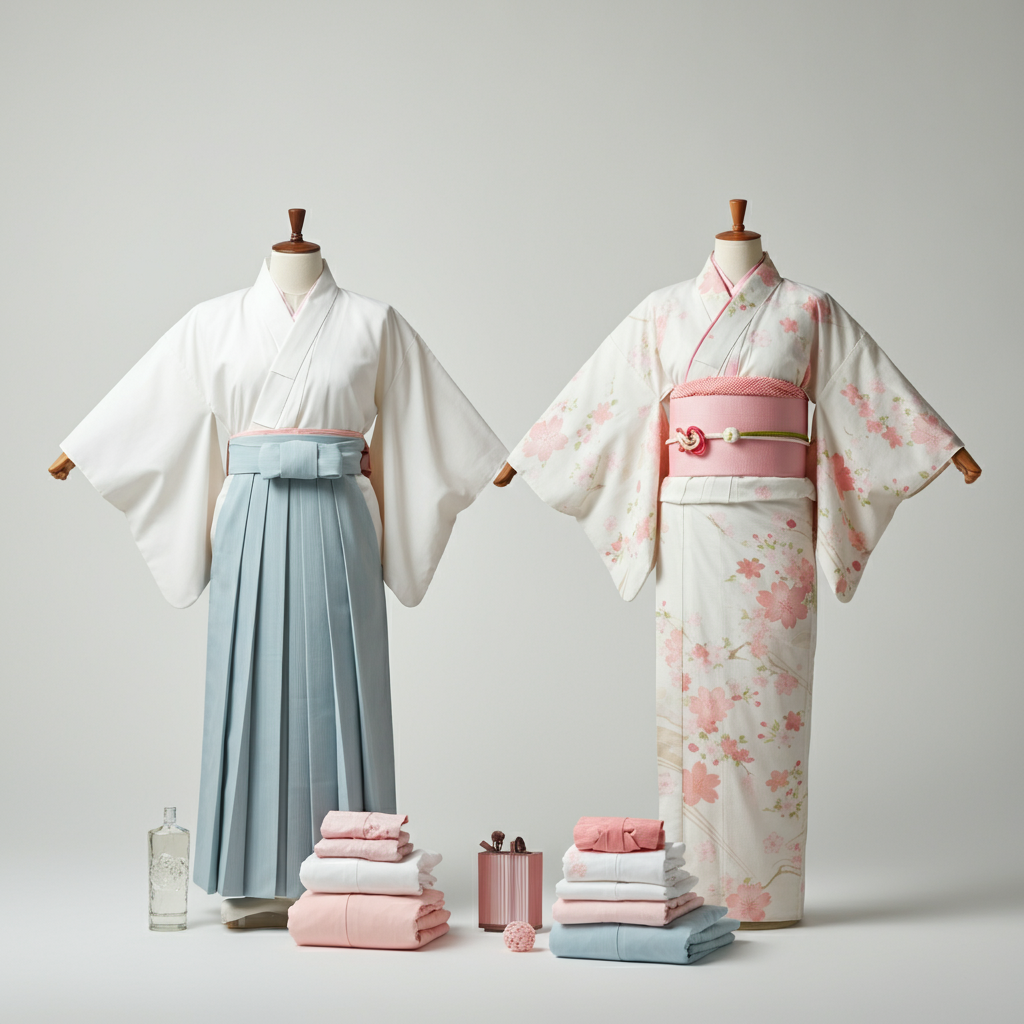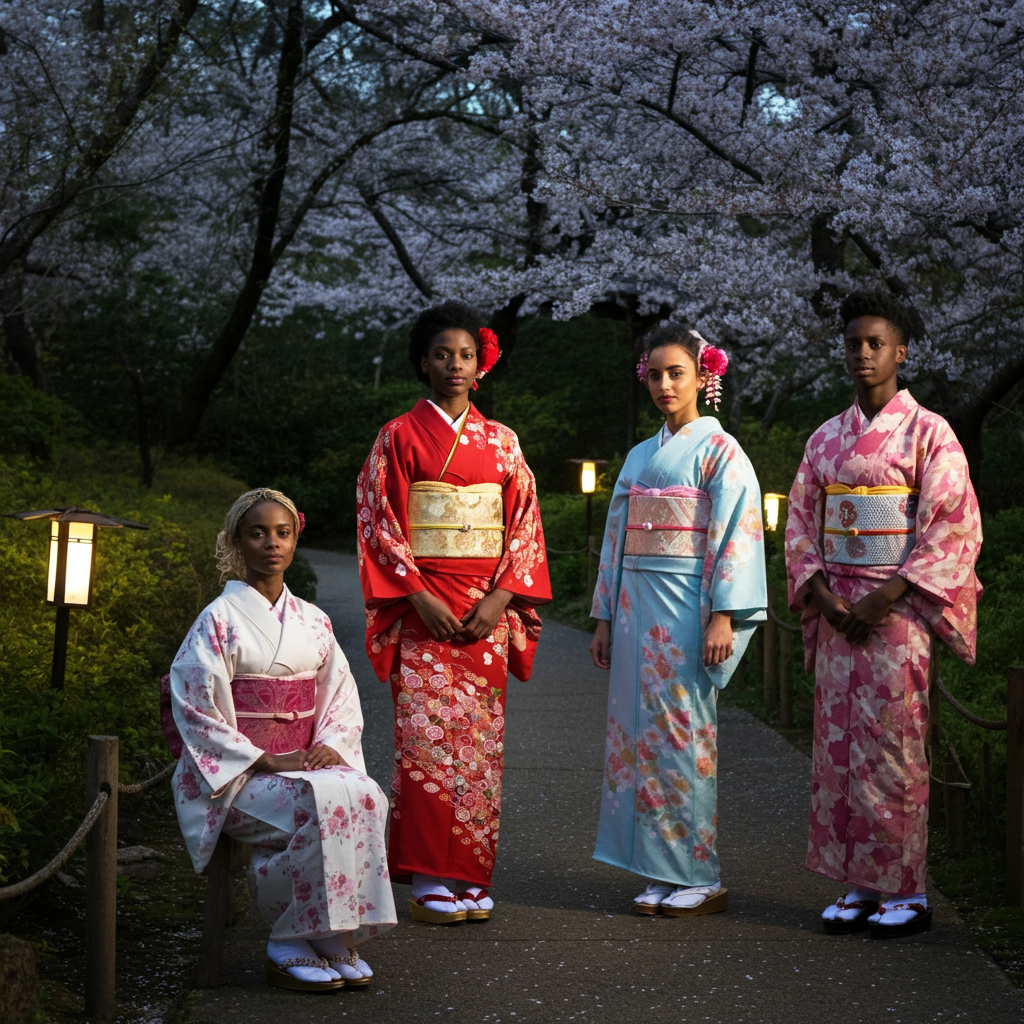
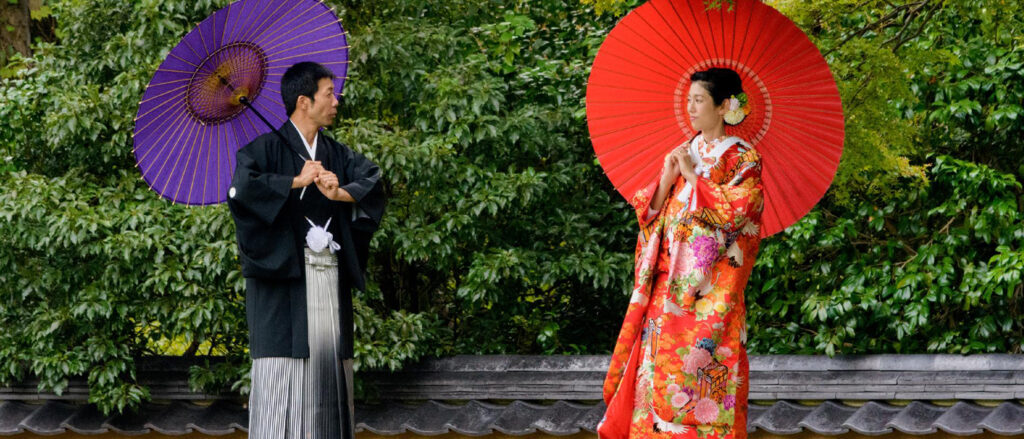
Kimono Shop was established in 1994 and is celebrating its 33rd year in business. Shop with confidence.

We started in the Buddhist tradition, offering unique products to those practicing Zen Inspired Living. As our company grew, so did our love for Japanese Kimono and Yukata robes. Our appreciation of the history, traditions, and symbolism of the Japanese Kimono made it an easy decision to focus on offering kimono and yukata for sale, so others could share our excitement around these beautiful robes. Our Kimono Shop has served over 34,000 customers from around the world. From our excellent customer service and a large selection to our competitive pricing and fast shipping from the USA, it is easy to see why we are your Kimono Source.

We are proud to be one of the first online vendors providing a wide selection of Plus Size, Big and Tall, Short Length yukata, Tall and Petite sizes of authentic yukata, and kimono for men, women, and kids. Kimono Shop is a direct importer of quality cotton and silk kimono and yukata robes from Japan. These robes are perfect for everyday use, loungewear, bathrobes, cover-ups, fashion, ceremonies, or special occasions. Shop our ever-changing selection of colors, patterns, styles, and designs. Japanese kimono becomes captivating wall art when displayed on a kimono hanger or mounted under a glass frame.“Our customers don’t just wear a garment, they wear a story, a tradition, and a piece of craftsmanship that’s been carefully selected and delivered with care.”

  • Who Wears a Kimono?

    When you think of a kimono, you might picture an elegant Japanese garment worn for a traditional ceremony. But today, the appeal of the kimono reaches far beyond formal occasions. From weddings and festivals to parties, special events, and quiet mornings at home, people in the USA are embracing the beauty, comfort, and versatility of the kimono and yukata.

    So, who wears a kimono? The answer is simple: anyone who appreciates beauty, comfort, tradition, and a little everyday luxury.

    Kimonos for Ceremonies and Special Occasions

    The kimono has a long history as an important part of Japanese culture and ceremonial dress. Traditional Japanese kimonos can be worn for weddings, coming-of-age celebrations, tea ceremonies, cultural events, and other significant occasions.

    Their flowing silhouettes, beautiful fabrics, and intricate patterns make them naturally suited to moments when you want to feel special. Floral motifs, cranes, fans, waves, and other traditional Japanese designs can add symbolism as well as visual beauty.

    For Americans attending Japanese cultural celebrations or simply looking for something distinctive to wear to a special gathering, a kimono-inspired look can provide an elegant alternative to conventional Western clothing.

    Kimonos for Parties and Events

    You don’t need a formal ceremony to enjoy wearing a kimono.

    A lightweight yukata or contemporary kimono makes a memorable choice for parties, dinners, vacations, garden gatherings, and celebrations. The relaxed shape is comfortable enough for hours of socializing, while the dramatic sleeves and beautiful patterns create an effortless statement.

    A kimono can also be layered over a simple dress, jeans, leggings, or other everyday clothing. This makes it surprisingly versatile. One beautiful kimono can transform an otherwise simple outfit into something expressive and sophisticated.

    For hosts, guests, and anyone who enjoys entertaining, a colorful Japanese robe can also bring an unmistakable sense of occasion to a gathering.

    Kimonos and Yukata at Festivals

    Japanese festivals are another natural setting for kimono and yukata.

    The yukata is a lighter, more casual Japanese garment traditionally associated with summer and festivals. Its breathable feel and relaxed construction make it especially appealing during warm-weather celebrations.

    Today, you don’t have to travel to Japan to enjoy festival-inspired fashion. Japanese cultural festivals, anime conventions, international celebrations, and summer events throughout the USA provide opportunities to wear a yukata or kimono-inspired garment.

    The vibrant colors and distinctive patterns also make these garments popular for photographs. A beautiful kimono can become part of the experience rather than simply something you wear.

    The Kimono at Home: Luxury Loungewear

    Perhaps one of the most enjoyable places to wear a kimono is somewhere much less formal: home.

    In the USA, kimonos and yukata have become increasingly appealing as loungewear because they combine comfort with an elevated sense of personal style. Instead of reaching for an ordinary robe, imagine wrapping yourself in a beautiful Japanese-inspired garment while enjoying your morning coffee, reading a book, relaxing after work, or getting ready for bed.

    This is where the concept of Zen-inspired living comes into the picture.

    A beautiful kimono encourages you to slow down and appreciate small moments. Its flowing shape doesn’t feel restrictive, while the colors and patterns can bring an artistic element into everyday life.

    It transforms an ordinary routine into something that feels intentional.

    Why Are Kimonos So Popular as Loungewear in America?

    American lifestyles increasingly embrace the idea that comfort and luxury don’t have to be opposites.

    Traditional robes can be practical, but a kimono or yukata can make lounging feel more beautiful. The generous fit provides freedom of movement, while soft fabrics and flowing silhouettes create a comfortable layer for relaxing around the house.

    There is also an emotional appeal.

    A kimono can make you feel great. Putting one on can create a small transition between the busy outside world and the peaceful environment of home. It can feel luxurious without requiring a formal occasion.

    For many Americans, that combination of comfort, beauty, and mindfulness is part of the attraction.

    Zen Inspired Living™ and Everyday Luxury

    The popularity of kimono-style loungewear reflects a broader interest in creating peaceful, beautiful spaces and rituals at home.

    Zen-inspired living doesn’t have to mean completely changing your lifestyle. Sometimes it is simply about being more intentional with everyday experiences.

    Pouring tea into your favorite cup. Lighting a candle. Reading quietly. Taking a few minutes away from your phone. Or slipping into a beautiful kimono at the end of the day.

    These small rituals can make ordinary moments feel special.

    A kimono fits naturally into this philosophy because it is both functional and beautiful. It isn’t simply something to put on—it can become part of a relaxing daily ritual.

    Who Can Wear a Kimono?

    There is no single type of person who wears a kimono.

    You might wear one for a Japanese festival, a cultural celebration, a party, or a special event. You might choose a yukata for a summer gathering. Or you might wear your favorite kimono every morning simply because it makes you feel comfortable and beautiful.

    For some, the attraction is Japanese culture and craftsmanship. For others, it is fashion. For others, it is the comfort of luxurious loungewear and the desire to bring more peace and beauty into everyday life.

    And that’s what makes the kimono so appealing in America today.

    A Kimono for Every Moment

    The modern kimono can move effortlessly between occasions. It can be elegant enough for a celebration, colorful enough for a festival, stylish enough for a party, and comfortable enough for a quiet evening at home.

    Most importantly, you don’t need a special reason to wear one.

    Sometimes the best reason is simply that you want to feel good.

    Whether you are discovering Japanese-inspired fashion for the first time or already love the comfort and beauty of a yukata, a kimono offers a wonderful way to introduce a little Zen Inspired Living™ and everyday luxury into your life.

    At Kimonoshop.com, the kimono isn’t limited to the extraordinary. It can be part of the everyday—worn for celebrations, shared with friends, enjoyed at festivals, or simply wrapped around you while relaxing at home.

    Because feeling comfortable, beautiful, and relaxed is always a good occasion.
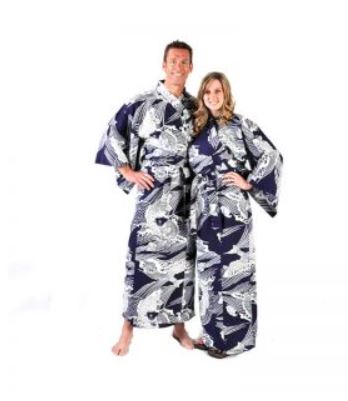
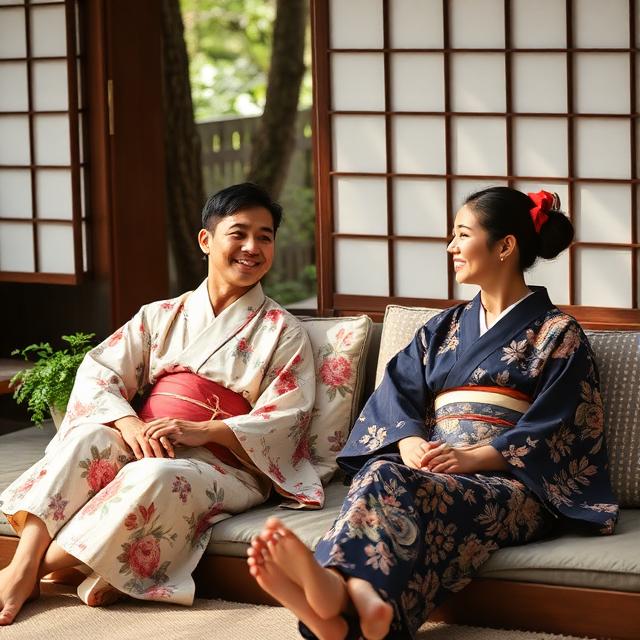
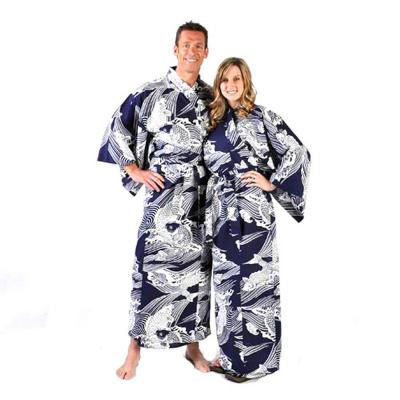
    Man and woman wearing a kimono
    Blue Koi Yukata
  • The Wellness Benefits of Wearing a Japanese Yukata at Home

    When we think about wellness, we often picture meditation, yoga, aromatherapy, or a carefully designed morning routine. But sometimes, improving your sense of well-being can be as simple as changing what you wear.

    Japanese yukata is a lightweight, casual robe traditionally associated with summer, bathing, relaxation, and everyday comfort. While yukata are commonly seen at Japanese festivals, hot spring resorts, and traditional inns, they can also make wonderful loungewear at home. Their relaxed fit, breathable fabric, and beautiful designs can turn an ordinary evening into a more intentional moment of relaxation.

    Beyond comfort, wearing a yukata at home can encourage slower routines, greater mindfulness, and a stronger appreciation for simple pleasures.

    What Is a Japanese Yukata?

    A yukata is a casual form of Japanese traditional clothing, generally made from lightweight cotton and designed without the layers associated with more formal kimono. The word “yukata” is traditionally associated with bathing, reflecting the garment’s historical connection to Japanese bathing culture. Over time, the yukata evolved into popular summer clothing and relaxed everyday wear.

    Unlike a formal kimono, a yukata is relatively simple to wear and is particularly well suited to warm weather. Cotton allows air to circulate while absorbing moisture, making it a comfortable choice for relaxing at home during the warmer months.

    Today, a yukata can be much more than an outfit for a festival. It can become part of your personal relaxation ritual.

    1. A Yukata Encourages Relaxation

    One of the simplest wellness benefits of wearing a yukata at home is psychological: changing into comfortable clothing can help signal that the working day is over.

    Just as changing into pajamas can create a transition toward bedtime, putting on a Japanese yukata after work, a shower, or dinner can create a deliberate boundary between busy time and personal time.

    The loose silhouette allows you to move comfortably without the restrictions of fitted clothing. Whether you’re reading a book, enjoying tea, watching a movie, or simply taking a few quiet minutes for yourself, a yukata can make relaxation feel more intentional.

    2. Lightweight Cotton Can Help You Stay Comfortable

    Traditional yukata are commonly made from cotton, a practical fabric for warm weather because it allows airflow and absorbs moisture.

    This makes a cotton yukata particularly appealing as home loungewear during spring and summer. Instead of wearing heavy robes or restrictive clothing, you can enjoy a lightweight layer that moves naturally with your body.

    For people who prefer breathable sleepwear and loungewear, a Japanese yukata offers an appealing combination of practicality and traditional style.

    3. Wearing a Yukata Can Create a Mindful Daily Ritual

    Wellness isn’t always about adding another activity to your schedule. Sometimes it’s about making everyday activities more meaningful.

    Putting on a yukata can become a small ritual that encourages you to slow down. Perhaps you put yours on after an evening shower, prepare a cup of tea, turn down the lights, and spend 20 minutes reading. Over time, these small habits can help create a calming transition into your evening.

    This idea fits naturally with the traditional associations of the yukata with bathing, relaxation, and seasonal living.

    In other words, wearing a yukata at home can help turn ordinary downtime into a wellness ritual.

    4. Beautiful Clothing Can Improve the Atmosphere of Your Home

    Comfort doesn’t have to mean sacrificing beauty.

    Japanese yukata are available in an enormous variety of patterns and colors, from traditional indigo designs to floral motifs, landscapes, geometric patterns, and contemporary prints. A beautiful garment can make getting dressed—even when you’re staying home—feel special.

    For example, KimonoShop offers Japanese yukata in a wide range of styles and sizes, including women’s, men’s, short-length, plus-size, and Big & Tall options. The company has specialized in authentic Japanese kimono and yukata since 1994.

    A particularly good example is the Sakura & Mt. Fuji Yukata, made in Japan from 100% cotton and specifically described as comfortable for lounging at home.

    5. A Yukata Can Help You Embrace Slow Living

    Modern life can be fast-paced and screen-heavy. Wearing traditional clothing at home provides an opportunity to step away from that pace, even if only for a little while.

    A yukata naturally encourages a more relaxed approach to movement and daily routines. You might find yourself spending less time rushing from one task to another and more time enjoying simple experiences—having tea, reading, listening to music, or sitting quietly.

    This doesn’t mean a yukata magically creates wellness. Rather, it can become a physical reminder to make room for rest.

    6. It Connects Everyday Comfort With Japanese Tradition

    There is also something meaningful about wearing a garment with centuries of history.

    The yukata evolved from clothing associated with bathing and eventually became an important part of Japanese summer culture. Today, it remains associated with festivals, hot springs, traditional inns, and relaxed seasonal living.

    Wearing one at home allows you to appreciate that tradition in an everyday setting rather than reserving it for special occasions.

    Make Your Home a Little More Relaxing

    Wellness doesn’t always require a major lifestyle change. Sometimes, it’s a comfortable robe, a quiet cup of tea, and a few minutes without rushing.

    Japanese yukata at home combines comfort, breathability, beauty, and tradition in one simple garment. Whether you wear it after a bath, while enjoying your morning coffee, or as part of an evening wind-down routine, a yukata can make everyday relaxation feel a little more intentional.

    For those interested in bringing authentic Japanese style into their home, Kimono Shop has been a leading online source for Japanese kimono and yukata since 1994, with a broad selection of cotton yukata for men, women, and children.

    Sometimes, creating a more peaceful home begins with something as simple as what you choose to wear.

    A couple lounging at home in yukata while sipping coffee and tea.
    Wellness begins at home.

  • The Four Seasons in Japanese Art and Culture

    Few things have influenced Japanese art and culture as deeply as the changing seasons. From delicate cherry blossoms in spring to snow-covered landscapes in winter, nature has long provided Japanese artists with a rich visual and emotional language. The four seasons in Japanese art and culture are more than beautiful scenery—they represent the passage of time, impermanence, tradition, and the changing rhythms of everyday life.

    This deep appreciation for seasonality can be seen across Japanese painting, poetry, ceramics, gardens, textiles, festivals, food, and clothing. It is particularly beautiful in the traditional art of kimono and yukata, where flowers, plants, animals, colors, and landscapes can immediately suggest a particular time of year.

    Spring: Cherry Blossoms and New Beginnings

    Spring is perhaps the most recognizable season in Japanese culture. The arrival of cherry blossoms, or sakura, is celebrated throughout Japan with hanami, the tradition of gathering to enjoy the fleeting beauty of the blossoms.

    Cherry blossoms have become one of the most important symbols in Japanese art because their brief appearance reflects the idea of impermanence. Their beauty is intense precisely because it does not last. This connection between beauty and transience is closely associated with mono no aware, a sensitivity to the temporary nature of things.

    Spring imagery appears frequently in Japanese paintings, prints, poetry, and textiles. Plum blossoms, young grasses, birds, and flowering trees can all function as seasonal references. In Japanese kimono design, these motifs transform clothing into a wearable representation of the natural world.

    Summer: Water, Flowers, and Festivals

    Summer brings a completely different visual vocabulary. Lush greenery, flowing water, fireflies, morning glories, and seasonal flowers evoke the warmth and energy of the Japanese summer.

    Summer is also the season most strongly associated with the yukata. Originally a casual cotton garment, the yukata became closely associated with summer festivals, fireworks displays, hot-spring towns, and relaxed seasonal dressing.

    This makes a summer yukata more than simply an attractive garment. Its patterns and colors can evoke the atmosphere of the season itself. A lightweight cotton yukata decorated with natural imagery can feel like an extension of summer—cool, informal, and connected to the outdoors.

    For those interested in bringing this tradition into a modern wardrobe, Kimono Shop offers a wide selection of Japanese kimono and yukata. Their collection includes designs such as The Four Seasons and The Seasons, which provide a particularly fitting connection to the longstanding Japanese tradition of expressing nature through textiles.

    Autumn: Maple Leaves and the Beauty of Change

    If spring represents renewal, autumn often represents reflection. The changing colors of maple leaves (momiji), pampas grass, chrysanthemums, and the harvest moon are among the most familiar symbols of autumn in Japanese art.

    Autumn has traditionally inspired poetry and visual art because it captures the bittersweet beauty of change. The falling leaf is beautiful, but it also reminds us that summer has passed and winter is approaching.

    This awareness of seasonal transition is a defining feature of Japanese aesthetics. Rather than attempting to preserve nature permanently, Japanese art often celebrates it precisely because it changes.

    The Metropolitan Museum of Art notes that seasonal imagery became deeply embedded across Japanese painting and decorative arts, with seasonal flowers, plants, and landscapes appearing not only in paintings but also in kimonos, lacquerware, and ceramics.

    Winter: Snow, Stillness, and Simplicity

    Winter provides perhaps the most minimalist seasonal imagery in Japanese art. Snow-covered mountains, bare branches, bamboo, evergreen plants, and quiet landscapes create a sense of stillness.

    Where spring and summer can be represented through abundance and color, winter is often associated with simplicity and restraint. Snow can transform a familiar landscape into something almost abstract, emphasizing empty space and subtle variations in tone.

    This ability to communicate an entire season through just a few carefully selected details is one of the hallmarks of Japanese art. A single snow-covered branch may be enough to establish the time of year.

    The Four Seasons as a Cultural Language

    The remarkable thing about the four seasons in Japanese culture is how much meaning can be communicated through a small number of recognizable images. A cherry blossom can suggest spring. Maple leaves can signal autumn. Snow can immediately establish winter.

    This seasonal vocabulary developed over centuries through poetry and the visual arts. The tradition became particularly influential during the Heian period (794–1185), and seasonal subjects eventually spread into painting, textiles, gardens, ceremonies, food, and other forms of cultural expression.

    Japanese artists even developed compositions that show all four seasons within a single landscape. In these works, the viewer may see blossoms on one side, lush summer vegetation in another area, autumn foliage farther along, and snow-covered mountains completing the cycle. The landscape effectively becomes a visual journey through time.

    Seasonal Beauty You Can Wear

    One of the most fascinating aspects of Japanese seasonal art is that it isn’t confined to museums. It can be experienced through everyday objects—including clothing.

    Kimono and yukata have long provided artists with an opportunity to translate nature into patterns, colors, and textiles. Contemporary research into kimono design continues to emphasize the relationship between Japanese clothing, seasonal imagery, and the country’s appreciation of nature.

    That makes designs such as KimonoShop’s The Four Seasons and The Seasons especially appropriate when thinking about the relationship between Japanese clothing and seasonal art. Rather than viewing a yukata simply as a robe or summer garment, it can be appreciated as part of a much older artistic tradition: wearing nature as a visual story.

    Whether displayed as textile art or worn as clothing, a beautifully designed yukata can bring the atmosphere of Japan’s changing seasons into contemporary life.

    A Tradition That Continues

    The four seasons remain one of the most enduring themes in Japanese art and culture. Their influence can be found in ancient poetry, classical screens, ukiyo-e prints, gardens, ceramics, festivals, food, kimono, and modern design.

    At the heart of this tradition is a simple idea: beauty changes. Spring becomes summer, summer becomes autumn, and autumn becomes winter. Each season has its own character, and each is beautiful partly because it will eventually give way to the next.

    That philosophy helps explain why seasonal imagery continues to resonate so strongly today. Japanese art does not merely depict nature—it invites us to notice it, appreciate it, and recognize our own place within its changing cycle.

    A yukata inspired by the seasons therefore represents more than Japanese fashion. It connects contemporary style with a centuries-old appreciation of nature, time, and the quiet beauty of change.

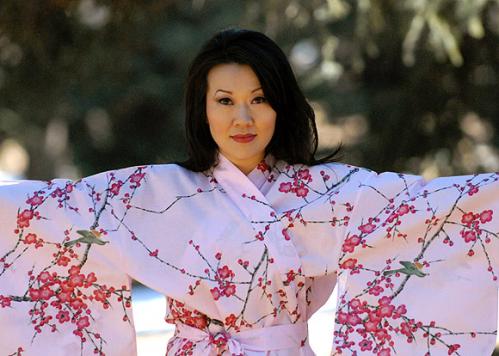
    womens pink cherry blossom yukata from kimonoshop.com
    Pink Cherry Blossom Yukata
  • The History of the Japanese Kimono: A Garment That Never Goes Out of Style

    Few garments are as instantly recognizable as the Japanese kimono. With its distinctive straight lines, elegant sleeves, and beautifully patterned fabrics, the kimono has become a symbol of Japanese culture around the world. But the kimono is more than simply a traditional piece of clothing. Its history reflects centuries of Japanese art, craftsmanship, social customs, and changing ideas about fashion.

    Today, the kimono continues to inspire designers and fashion lovers while remaining an important part of Japanese celebrations and cultural traditions. So, how did this iconic garment become a style that truly never goes out of fashion?

    The Origins of the Japanese Kimono

    The word kimono literally means “a thing to wear” in Japanese. Although garments resembling the kimono existed earlier, the basic form we recognize today developed during Japan’s Heian period, from 794 to 1185.

    During this era, Japanese clothing became increasingly sophisticated. One of the most famous developments was the jūnihitoe, an elaborate multilayered garment worn by women at the imperial court. Clothing could communicate a person’s status, season and position, while the colors and layers reflected the refined aesthetics of the period.

    The emphasis on beautiful textiles and carefully coordinated colors established an important foundation for Japanese kimono culture.

    The Kimono During the Edo Period

    The Edo period, which lasted from 1603 to 1868, was particularly important in the development of the kimono as we know it today.

    During this time, the kimono became a common form of dress across Japanese society. Different styles, fabrics, colors and patterns could indicate a person’s age, social position, occupation or marital status.

    This was also a golden age for Japanese textile arts. Techniques such as yūzen dyeing allowed artisans to create incredibly detailed designs, while shibori produced distinctive patterns through resist-dyeing techniques.

    Kimono designs often drew inspiration from nature. Cherry blossoms, chrysanthemums, cranes, waves, bamboo and autumn leaves became recurring motifs. These weren’t chosen simply because they were attractive. Many carried symbolic meanings connected to seasons, good fortune, longevity or beauty.

    From Everyday Clothing to Cultural Treasure

    During the late 19th and early 20th centuries, Japan underwent enormous social and political change. Western-style clothing became increasingly popular, particularly following the Meiji Restoration of 1868.

    As Western fashion became more common for everyday wear, the kimono gradually moved away from being daily clothing for much of the population. Instead, it became closely associated with formal occasions, celebrations and cultural traditions.

    Today, people may wear kimono for weddings, tea ceremonies, festivals, coming-of-age celebrations, and other important events. Different types of kimono are still associated with particular occasions and levels of formality.

    This transition helped transform the kimono from everyday clothing into something that could be preserved, appreciated and passed from one generation to the next.

    Why Kimono Patterns Matter

    One of the most captivating aspects of a Japanese kimono is its design.

    Traditional kimono patterns often tell a story. A garment featuring cranes, for example, may symbolize longevity and good fortune. Cherry blossoms can evoke the beauty and fleeting nature of spring, while waves may represent strength and continuity.

    Seasonality is another important element of kimono design. Traditional Japanese aesthetics place great value on celebrating the changing seasons, and kimono patterns often reflect the time of year in which they are worn.

    The fabric itself is equally significant. Silk has historically been prized for luxurious kimono, while cotton and other materials have been used for more casual styles. The quality of the textile, dyeing and craftsmanship can turn a kimono into a true work of art.

    The Kimono’s Influence on Modern Fashion

    Although the kimono has centuries of history behind it, its influence can still be seen in contemporary fashion.

    Designers around the world have drawn inspiration from its wrap-front construction, wide sleeves, flowing silhouette and striking textile patterns. Modern kimono-inspired pieces have adapted these elements into robes, jackets, dresses and other styles that fit comfortably into contemporary wardrobes.

    At the same time, the traditional kimono itself continues to evolve. Contemporary makers experiment with colors, fabrics and patterns while maintaining the garment’s distinctive structure and connection to Japanese craftsmanship.

    This balance between tradition and innovation is one reason the kimono remains so relevant.

    A Garment That Never Goes Out of Style

    What makes the Japanese kimono timeless isn’t simply its beautiful appearance. It is the combination of history, symbolism, craftsmanship, and versatility woven into every garment.

    A kimono can represent a particular season, celebrate an important milestone, or preserve the work of an artisan. It connects the wearer with generations of Japanese artistic and cultural traditions while continuing to inspire new interpretations.

    For anyone interested in Japanese culture, owning or wearing a kimono offers a unique opportunity to appreciate this heritage firsthand. Whether chosen for a special occasion or simply admired for its craftsmanship, the kimono remains one of Japan’s most enduring contributions to the world of fashion.

    After centuries of change, one thing is clear: the Japanese kimono isn’t simply a garment from the past. It is a timeless piece of living culture — and a style that never truly goes out of fashion.

    The Art of Lounging. Comfort luxury. A kimono makes wonderful loungewear.
    Relaxation Loungewear
  • Why More Americans Are Choosing Kimono Robes Instead of Traditional Bathrobes

    For generations, the traditional bathrobe has been a familiar part of American homes. Thick terry cloth, oversized sleeves, and a simple tie around the waist have made bathrobes synonymous with comfort and lazy mornings. But a new alternative is gaining attention: the kimono robe.

    Inspired by the elegant silhouette of Japanese kimono-style garments, kimono robes are becoming increasingly popular with Americans who want something that feels comfortable without looking overly casual. From morning routines to relaxing evenings, they offer a different approach to everyday loungewear—and their appeal goes far beyond aesthetics.

    Comfort Without the Bulk

    One of the biggest reasons people are moving away from traditional bathrobes is their weight. Classic terry-cloth robes are designed primarily for drying off after a bath or shower. While this may be practical, they are often thick and heavy.

    Kimono robes tend to take a lighter approach. Depending on the fabric, they can be breathable, soft, and easy to wear for extended periods. Lightweight cotton, linen blends, and other flowing fabrics make them especially appealing in warmer climates or during the summer months.

    Instead of feeling like you’re wearing a towel around the house, a kimono robe can feel more like comfortable everyday clothing.

    A More Stylish Take on Loungewear

    Traditional bathrobes are generally designed with function in mind. Kimono robes add a stronger fashion element.

    Their relaxed, open-front design and distinctive sleeves create a silhouette that looks polished while remaining effortless. Patterns can range from subtle solids to floral prints and bold designs, allowing wearers to choose a robe that reflects their personality.

    That versatility is particularly attractive as the boundaries between loungewear and regular clothing continue to blur. People increasingly want pieces that are comfortable enough for home but presentable enough to wear while enjoying breakfast, working remotely, or answering the door.

    A kimono-style robe can bridge that gap.

    Perfect for Modern Morning Routines

    The modern morning routine is another reason kimono robes are finding a place in American wardrobes.

    Imagine waking up, making a cup of coffee, and starting the day without immediately changing into jeans or structured clothing. A lightweight robe provides comfort while still making the morning feel intentional.

    For people who work from home, this can be especially appealing. While a traditional bathrobe may feel too informal, a well-designed kimono robe can create a more put-together appearance without sacrificing comfort.

    It also fits naturally into self-care routines, whether that’s enjoying a slow cup of tea, reading, practicing skincare, or simply taking a few quiet minutes before the day begins.

    Versatility Beyond the Bathroom

    The name “bathrobe” suggests a garment with one primary purpose: getting dressed after a bath or shower. Kimono robes are less restrictive in that regard.

    They can be worn over pajamas, loungewear, or even as a lightweight layer over other clothing. Some people use them while getting ready for special occasions, making them popular among bridal parties and anyone preparing for a night out.

    Their versatility also makes them useful when traveling. A lightweight kimono robe takes up less space than many bulky traditional robes, making it easier to pack in a suitcase.

    An Appreciation for Japanese-Inspired Design

    There is also a growing appreciation for Japanese-inspired aesthetics in American interiors, fashion, and lifestyle products. Simplicity, clean lines, natural materials, and thoughtful details have broad appeal for consumers seeking a calmer, less cluttered style.

    Kimono robes fit naturally into that aesthetic.

    It’s important to note that contemporary kimono robes sold as loungewear are often inspired by the shape or visual elements of traditional Japanese kimono rather than being authentic kimono themselves. Traditional kimono have a rich cultural history, specific construction techniques, and meanings that shouldn’t be reduced to simply “bathrobes.”

    For American consumers, the modern kimono-style robe is best understood as a comfortable piece of loungewear influenced by an enduring design tradition.

    A Better Fit for Different Seasons

    Another advantage is the range of fabrics available. A plush robe may be perfect on a cold winter morning, but it can become uncomfortable once temperatures rise.

    Kimono robes are available in materials suited to different seasons. Lightweight cotton can work well for warm weather, while thicker fabrics can provide additional warmth during cooler months.

    This variety makes it possible to choose a robe based not only on appearance but also on climate and personal comfort.

    The Appeal Is Comfort With Personality

    The growing popularity of kimono robes ultimately reflects a broader change in how Americans think about comfort. Loungewear is no longer expected to be purely practical. Consumers increasingly want clothing that feels good, looks attractive, and fits naturally into their lifestyle.

    Traditional bathrobes aren’t disappearing anytime soon. Their warmth, absorbency, and familiar comfort still make them excellent choices after a shower or on a cold morning.

    But for those looking for something lighter, more versatile, and more visually distinctive, the kimono robe offers an appealing alternative.

    It’s comfortable enough for slow mornings, stylish enough for relaxing at home, and versatile enough to become part of an everyday wardrobe. For many Americans, that’s exactly what modern loungewear should be.

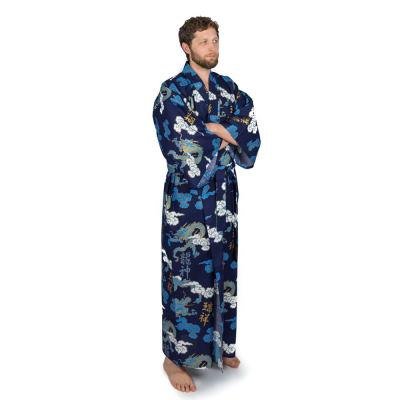
    Man wearing the cloud dragon-inspired yukata from Kimono Shop
    Cloud Dragon Yukata
  • 7 Essential Myths About Japanese Kimonos

    For many Western consumers, the word kimono evokes a beautiful robe with wide sleeves. However, that image isn’t entirely accurate.

    It is far from the whole story about authentic kimonos.

    Kimonos are not simply decorative garments or interchangeable ‘Japanese robes.’

    They are authentic kimonos.

    However, authentic kimonos exist within a rich clothing tradition shaped by season and occasion. They reflect social context, craftsmanship, symbolism, and regional history.

    Meanwhile, garments Western shoppers group under the kimono label—such as yukata and happi coats—have distinct identities and uses.

    For modern retailers, understanding these distinctions is essential. Moreover, it helps customers recognize authentic kimonos and appreciate Japanese craftsmanship without reducing culture to costume.

    Kimono, Yukata, and Happi Coats Are Not the Same Thing

    One of the most common misconceptions is that every Japanese garment with wide sleeves and a wrap-style front is a kimono. In reality, several garments can look superficially similar while serving very different purposes.

    Kimono: A Garment With Deep Cultural Context

    The term kimono literally means “thing to wear,” but contemporary kimono culture encompasses a highly developed tradition of dress.

    Traditional kimonos are crafted from carefully constructed panels of fabric.

    They are worn with an obi, the broad sash that helps create the garment’s distinctive silhouette.

    Different types of kimono are associated with different occasions, seasons, ages, levels of formality, and social situations.

    A formal kimono worn for a wedding, for example, communicates something very different from a casual garment worn at a seasonal gathering. Patterns, colors, fabric, accessories, and the way a kimono is styled can all contribute to its meaning.

    That context is easy to lose when kimono are presented simply as fashion accessories.

    Yukata: Lightweight, Casual, and Closely Associated With Summer

    Yukata are often called “summer kimono,” but describing them this way can blur an important distinction.

    Traditionally, yukata were informal garments associated with bathing and later developed into popular summer clothing. Today, they are commonly worn at summer festivals, fireworks displays, and other relaxed seasonal occasions.

    They are generally lighter and less formal than many traditional kimono and are often made from cotton. Their colorful designs and relatively accessible construction have also made yukata particularly popular with visitors to Japan.

    For retailers, labeling a yukata accurately helps customers understand why it may be appropriate for a summer festival but not equivalent to a formal kimono.

    Happi Coats: Practical, Communal, and Festive

    Happi coats are another garment frequently mistaken for kimono.

    These short, loose-fitting coats are historically associated with groups, businesses, festivals, and other communal settings. Their bold designs and relatively simple construction give them a very different visual and cultural character from formal kimono.

    A happi coat may feature a large emblem, kanji, or other graphic design identifying a festival organization, business, or group. Rather than treating it as another style of robe, retailers can explain its connection to communal identity and celebrations.

    That small amount of context can transform a customer’s understanding of what they are buying.

    Clothing Can Communicate More Than Style

    Another misconception is that kimono patterns are purely decorative.

    Japanese textile traditions often use motifs that carry associations with nature, seasons, longevity, prosperity, celebrations, or other ideas. Chrysanthemums, cranes, waves, plum blossoms, bamboo, fans, and other motifs can have cultural or symbolic associations, although their meaning can vary depending on context.

    Color can matter, too. Certain combinations or motifs may be particularly appropriate for specific seasons or occasions.

    This does not mean every kimono pattern has a single secret meaning. Retailers should avoid presenting symbolism as a rigid code in which every flower or color has one universal translation.

    Instead, product descriptions can provide accurate, nuanced context: explain the motif, describe its traditional associations, and acknowledge when interpretations vary.

    Craftsmanship Is Part of the Story

    A kimono is not simply a piece of fabric cut into a robe.

    Traditional kimono production can involve weaving, dyeing, embroidery, painting, resist-dyeing techniques, hand finishing, and other specialized skills. Depending on the garment, textile production and decoration can require considerable expertise.

    Techniques such as yuzen dyeing, shibori resist dyeing, and intricate embroidery demonstrate how Japanese textile traditions combine design with highly skilled craftsmanship.

    For retailers, highlighting how a garment was made can be far more meaningful than describing it merely as “Japanese-inspired.”

    Customers increasingly want to know where products come from, who made them, what materials were used, and why particular techniques matter. Sharing that information respectfully gives craftsmanship the attention it deserves while helping consumers make more informed purchases.

    Kimono Are Not Simply Costumes

    One of the most persistent Western misconceptions is the idea that kimono are essentially costumes for special occasions, themed parties, or visual performances.

    Kimono are clothing. They can be formal or informal, traditional or contemporary, ceremonial or everyday depending on the garment and context. Japanese designers and wearers have also continued to reinterpret kimono in modern ways.

    This distinction matters when retailers market kimono-inspired products.

    Using a kimono as a fashion reference is not inherently disrespectful. The problem arises when a complex cultural tradition is stripped of its context and presented as an exotic costume, novelty, or generic symbol of “Japan.”

    Marketing language can make a substantial difference. A product described with accurate information about its design, construction, and cultural context invites appreciation. A product marketed around stereotypes or “dressing up as Japanese” reinforces them.

    Appreciation Versus Cultural Appropriation

    The conversation around cultural appropriation can sometimes seem difficult for retailers to navigate. A useful starting point is to distinguish between learning from a culture and reducing that culture to an aesthetic commodity.

    Respectful appreciation begins with curiosity and context.

    Retailers can:

    • Use accurate names for garments.
    • Explain differences between kimono, yukata, and happi coats.
    • Credit designers, artisans, workshops, and textile traditions where appropriate.
    • Provide information about materials, production techniques, and provenance.
    • Avoid stereotypes in photography, copy, and advertising.
    • Avoid presenting sacred, ceremonial, or culturally significant elements as generic accessories.
    • Encourage customers to learn about the culture behind the product rather than simply consuming its visual style.

    The goal isn’t to suggest that people outside Japan can never wear kimono or kimono-inspired clothing. In fact, visitors to Japan are often invited to experience wearing kimono or yukata as part of cultural tourism.

    The important question is how the garment is represented and understood.

    Wearing a yukata to a summer festival while learning how it is traditionally styled is fundamentally different from treating a culturally significant garment as a Halloween costume.

    Retailers Have an Educational Opportunity

    The modern retail environment gives businesses an unusual ability to provide context at the moment of purchase.

    A product page can explain whether an item is a kimono, yukata, or happi coat. A store display can describe the textile technique used to create a pattern. Packaging can introduce the artisan or region associated with a textile. Social media can show how garments are traditionally worn while acknowledging contemporary interpretations.

    Even a short explanation can correct a major misconception.

    Instead of:

    “Japanese robe with beautiful traditional patterns.”

    A retailer could explain:

    “This lightweight cotton yukata is a casual Japanese garment traditionally associated with summer. Its seasonal motif reflects a long-standing Japanese appreciation for nature and changing seasons.”

    The second description doesn’t just sell the product. It gives the customer a reason to understand and value it.

    Modern Kimono Culture Is Not Frozen in Time

    Respectful education also means avoiding the opposite mistake: treating kimono culture as something that exists only in the past.

    Kimono continue to evolve. Contemporary makers, artists, designers, and wearers experiment with fabrics, silhouettes, styling, and ways of incorporating kimono into modern wardrobes.

    Traditional craftsmanship can coexist with contemporary fashion.

    For retailers, this creates an opportunity to tell a more complete story—one that acknowledges historical traditions without suggesting that Japanese clothing culture is static or exists primarily for Western consumption.

    A Better Way to Sell Cultural Products

    The strongest retail approach is not to remove culture from the sales experience. It is to provide more of it.

    Customers can appreciate beautiful clothing while also learning what makes that clothing meaningful. They can discover why a yukata differs from a formal kimono, what a happi coat represents, why certain motifs appear repeatedly in Japanese textiles, and how skilled artisans bring those designs to life.

    That educational approach benefits both consumers and creators.

    It helps customers purchase with confidence. It gives craftsmanship greater visibility. It reduces stereotypes. And, most importantly, it treats Japanese clothing traditions as living cultural practices rather than interchangeable decorative themes.

    For modern retailers, the lesson is simple: don’t just sell the look—tell the story behind it.

    When businesses provide accurate terminology, cultural context, craftsmanship details, and thoughtful guidance, they give customers something more valuable than a product. They give them a way to appreciate Japanese textile traditions with greater understanding and respect.

    Kimono Shop offers a wide selection of kimono and yukata
    The World of Kimonos

  • Why Japanese Design Feels Calmer Than Western Fashion, Designers Explain

    In an age of fast fashion, endless trends, and constant digital stimulation, consumers seek something timeless, intentional, and calming.

    This shift in buying behavior has fueled appreciation for Japanese design.

    Traditional garments like the kimono and yukata robe illustrate that trend.

    While Western fashion often celebrates bold self-expression and rapid reinvention, Japanese design embraces simplicity and craftsmanship.

    These qualities resonate deeply with today’s consumers.

    Designers, psychologists, and trend forecasters have noted a significant shift toward products that promote well-being rather than excess. Japanese-inspired clothing has become more than a fashion statement; it represents a lifestyle centered around comfort, mindfulness, and authenticity. Focus keyphrase: kimono.

    The Rise of Mindful Consumerism

    Today’s shoppers are becoming more intentional about what they purchase. Instead of filling closets with disposable clothing, many consumers are investing in garments that offer lasting value, versatility, and emotional satisfaction.

    This emerging consumer behavior reflects a desire to slow down and make thoughtful choices. Japanese design naturally aligns with these values. Every detail—from the clean lines and balanced proportions to carefully selected fabrics—encourages a sense of harmony rather than distraction.

    Unlike many fashion trends that quickly fade, traditional Japanese garments have remained relevant for centuries because they prioritize function alongside beauty.

    Why Simplicity Feels So Appealing

    Psychologists have long understood that visual simplicity reduces cognitive overload. When our surroundings contain fewer competing elements, our brains require less effort to process information. The result is a feeling of calm, which aligns with the kimono’s emphasis on understated design.

    Japanese aesthetics embrace principles such as balance, negative space, and understated elegance. Rather than overwhelming the eye with excessive decoration, each design element serves a purpose.

    This philosophy extends naturally into clothing. The flowing silhouette of a kimono or yukata robe allows the wearer to feel comfortable while creating a graceful visual balance. Neutral colors, nature-inspired prints, and uncluttered patterns often evoke feelings of peace and relaxation.

    For many people, wearing Japanese-inspired clothing becomes an extension of creating a calmer lifestyle.

    The Emotional Connection to Craftsmanship

    Another reason Japanese fashion continues to attract devoted admirers is its emphasis on craftsmanship.

    Consumers increasingly appreciate products that feel authentic and thoughtfully made. Traditional Japanese garments represent generations of textile artistry, dyeing techniques, weaving methods, and attention to detail that cannot easily be replicated through mass production.

    Owning a beautifully crafted kimono or yukata robe often feels different from purchasing ordinary clothing. It carries a story, a heritage, and a sense of respect for skilled artisans.

    As consumers seek deeper meaning behind their purchases, this emotional connection becomes just as valuable as the garment itself.

    Comfort Has Become a Luxury

    One of the biggest shifts in post-pandemic fashion has been the growing demand for comfortable clothing that still feels elegant.

    The popularity of relaxed silhouettes, natural fibers, and versatile garments has transformed how consumers define luxury. Rather than restrictive tailoring or flashy embellishments, many shoppers now associate luxury with ease.

    Japanese yukata robes perfectly embody this evolution.

    Originally worn after bathing or during warm-weather festivals, today’s yukata robes have become beloved around the world as stylish loungewear, spa robes, vacation attire, and lightweight layering pieces. Their breathable fabrics and relaxed fit allow wearers to feel comfortable without sacrificing sophistication.

    Likewise, modern kimono-inspired robes offer remarkable versatility. They transition effortlessly from quiet mornings at home to elegant evenings or resort wear, making them practical additions to contemporary wardrobes.

    Nature as Design Inspiration

    Japanese design frequently draws inspiration from the natural world.

    Cherry blossoms, bamboo, cranes, waves, maple leaves, and seasonal flowers are more than decorative patterns—they reflect an appreciation for the changing rhythms of nature.

    Research into environmental psychology suggests that natural imagery can contribute to feelings of relaxation and emotional well-being. Whether consciously recognized or not, these familiar motifs often create subtle emotional responses.

    For consumers seeking respite from busy daily lives, clothing inspired by nature provides another layer of psychological comfort.

    The Appeal of Timeless Fashion

    Western fashion often moves through seasonal cycles driven by rapidly changing trends. Japanese design, however, tends to prioritize enduring beauty over novelty.

    This timelessness appeals strongly to modern consumers who are becoming increasingly skeptical of disposable fashion.

    Rather than asking, “Will this be in style next year?” buyers are asking, “Will I still love wearing this years from now?”

    Traditional Japanese garments answer that question remarkably well. Their classic silhouettes have remained admired across generations because they transcend temporary trends.

    Fashion That Encourages Presence

    Perhaps the greatest psychological appeal of Japanese clothing lies in how it changes the experience of getting dressed.

    The flowing shape, gentle movement, and comfortable fit encourage wearers to slow down and appreciate the present moment. Instead of chasing fashion, many people find themselves enjoying the quiet confidence that comes from wearing something both beautiful and comfortable.

    This growing appreciation reflects a broader cultural movement toward wellness, mindfulness, and intentional living.

    Consumers are no longer buying clothing solely to impress others—they’re choosing garments that make them feel relaxed, authentic, and connected to something meaningful.

    Looking Ahead

    As consumer preferences continue evolving, Japanese design is well positioned to remain influential. Its emphasis on simplicity, craftsmanship, sustainability, and emotional well-being aligns naturally with the values shaping modern purchasing decisions.

    Whether it’s an elegant silk kimono, a lightweight cotton yukata robe, or a contemporary Japanese-inspired wrap, these garments offer more than beautiful design. They provide a reminder that fashion doesn’t have to be loud to make a lasting impression.

    In a world filled with constant noise, Japanese design offers something increasingly rare: quiet confidence, timeless beauty, and a sense of calm that many consumers are actively seeking.

    Kimonos are popular in the west.
    Kimono Happiness

  • The Comfort Luxury Movement Is Replacing Fast Fashion

    Consumers Are Trading Hoodies for Elevated Loungewear Inspired by Japanese Design

    Fast fashion is losing its grip on today’s consumers. Instead of closets packed with inexpensive, disposable clothing, more people are investing in timeless, versatile pieces that prioritize comfort, luxury, quality, and intentional living.

    This shift has given rise to the luxury comfort movement—a growing trend that blends relaxed silhouettes with premium materials, thoughtful craftsmanship, and effortless style. Rather than reaching for an old hoodie or oversized sweatshirt, consumers are embracing elevated loungewear that feels just as comfortable but looks polished enough for everyday life.

    Among the standout pieces leading this movement is the Japanese-inspired kimono robe. With its elegant drape, versatile styling, and timeless aesthetic, the kimono has become much more than traditional attire—it’s now a symbol of modern comfort, wellness, and slow fashion.

    Why Consumers Are Moving Away from Fast Fashion

    For years, fast fashion encouraged shoppers to buy more, wear less, and replace clothing every season. Today, many consumers are taking the opposite approach.

    The modern shopper values:

    Higher-quality fabrics

    Timeless, versatile designs

    Sustainable purchasing habits

    Clothing that serves multiple purposes

    Long-lasting craftsmanship

    Instead of purchasing ten inexpensive pieces they’ll rarely wear, people are choosing a few premium garments they’ll enjoy for years. This “buy less, buy better” philosophy has become one of the defining characteristics of modern fashion.

    The Rise of Hybrid Work Has Changed How We Dress.

    The shift toward hybrid work and remote offices permanently changed wardrobe priorities. Professional dress codes have relaxed, but people still want to look put together during:

    Video meetings

    Coffee runs

    Working from home

    Weekend errands

    Casual social gatherings

    Traditional business attire often feels too formal, while sweatpants and hoodies can appear overly casual. That’s where elevated loungewear fills the gap.

    Japanese-inspired kimono robes and lightweight layering pieces offer a polished alternative that’s comfortable enough to wear throughout the day while maintaining an intentional, refined appearance.

    Wellness Is Now Part of Everyday Fashion.

    Fashion is no longer just about appearance. Consumers increasingly associate clothing with how it makes them feel. The global wellness movement has encouraged people to create calming daily rituals that include:

    Morning coffee routines

    Meditation

    Yoga

    Reading

    Journaling

    Evening relaxation

    Self-care weekends

    Soft, breathable clothing naturally complements these routines.

    A kimono robe becomes more than something to wear—it’s part of creating an environment that encourages relaxation, mindfulness, and intentional living. The feeling of wrapping yourself in a beautifully crafted garment can transform ordinary moments into meaningful rituals.

    Capsule Wardrobes Favor Versatile Pieces.

    Another reason comfort luxury continues to grow is the popularity of the capsule wardrobe. Instead of owning dozens of trend-driven garments, capsule wardrobes focus on versatile clothing that mixes easily with existing pieces.

    A Japanese-inspired kimono fits naturally into this philosophy because it can be worn:

    As luxurious loungewear

    Over pajamas

    As a lightweight robe

    Layered over jeans and a T-shirt

    With dresses

    Over swimwear

    As stylish travel clothing

    One thoughtfully designed garment serves multiple purposes, reducing unnecessary purchases while increasing everyday wear.

    Fewer, Better Purchases Are Becoming the New Standard. Consumers have become increasingly selective about where they spend their money.

    Rather than asking: “Is this inexpensive?”

    Many shoppers now ask:

    Will I still love this next year?

    Is it well made?

    Can I wear it often?

    Does it align with my personal style?

    Does it feel good to wear?

    These questions naturally lead people toward quality over quantity. Premium fabrics, careful construction, and timeless silhouettes provide value that extends well beyond a single season.

    Japanese Design Embodies Timeless Simplicity. One reason Japanese-inspired fashion continues to resonate is its emphasis on simplicity and balance.

    Traditional Japanese design values:

    Clean lines

    Minimalism

    Natural materials

    Functional beauty

    Quiet elegance

    These principles fit perfectly within today’s movement toward slow living. Instead of loud logos or rapidly changing trends, Japanese-inspired garments offer understated sophistication that never feels out of style. This timeless aesthetic allows a kimono to remain relevant year after year.

    Comfort Luxury Supports Slow Living

    Slow living encourages people to become more intentional with how they spend their time, money, and energy. Rather than rushing through daily routines, slow living focuses on appreciating everyday experiences. Your clothing plays an important role in creating this lifestyle.

    Choosing comfortable, beautiful garments can make ordinary moments feel elevated:

    Enjoying a quiet morning coffee

    Reading before bed

    Working from home

    Hosting friends

    Relaxing after a long day

    Traveling light

    Luxury doesn’t have to mean formal.

    Sometimes true luxury is simply feeling comfortable in clothing that’s thoughtfully designed and made to last.

    Why Kimonos Perfectly Represent Comfort Luxury

    Modern kimono robes bring together everything consumers increasingly value:

    Exceptional comfort

    Elegant style- a favorite that fits seamlessly into daily life—whether you’re starting your morning, working

    Timeless Japanese-inspired design

    Versatility

    Quality craftsmanship

    Relaxed sophistication

    Unlike trend-driven fashion, a beautifully made kimono doesn’t go out of style. It becomes a dependable favorite that fits seamlessly into daily life—whether you’re starting your morning, working from home, entertaining guests, or winding down in the evening.

    It’s an everyday wardrobe, a premium kimono is more than just loungewear—it’s a timeless investment in comfort, investment in comfort you’ll reach for again and again.

    Invest in Timeless Comfort

    As fast fashion continues to lose appeal, comfort luxury is becoming the new standard for modern living. Consumers are replacing disposable clothing with thoughtfully crafted pieces that combine style, comfort, and longevity.

    Japanese-inspired kimonos perfectly reflect this evolution, offering effortless elegance that supports wellness, hybrid work, capsule wardrobes, and a slower, more intentional lifestyle.

    If you’re looking to upgrade your everyday wardrobe, a premium kimono is more than just loungewear—it’s a timeless investment in comfort, quality, and understated luxury.

    The Art of Lounging. Comfort luxury. A kimono makes wonderful loungewear.
    Relaxation Loungewear
  • Why Buying a Kimono From an Employee-Owned Shop Matters

    Quick answer: Buying a kimono from an employee-owned shop means dealing with staff who hold a real stake in the company. That ownership inspires them to offer quality garments at fair prices, deliver attentive service, resolve issues quickly, and truly listen to what you need.

    There’s a quiet magic in slipping into a beautifully made kimono—the softness of cotton, the artistry of each pattern, the sense of tradition woven into every thread. But the place you buy it from shapes that experience just as much as the garment itself. When you choose an employee-owned kimono shop, you’re welcomed by people who care deeply about getting it right, because their success is tied to yours.

    Below, we explore why employee ownership makes such a meaningful difference, and how it elevates your entire shopping experience.

    What does employee ownership actually mean?

    Employee ownership is a business model where the people who work for a company also hold a stake in it. Instead of answering only to distant shareholders, employee-owners share directly in the company’s success. According to insight6, employee-owned businesses are 8–12% more productive than their non-owned peers, and they tend to invest more in their people, their craft, and their customers.

    For a kimono shop, this structure changes everything. The person helping you choose between a vibrant yukata and an elegant happi coat isn’t just an employee—they’re an owner with genuine pride in the garments they offer.

    How does employee ownership improve quality and pricing?

    When staff have a personal stake in the company, they’re motivated to protect its reputation. That means curating quality merchandise—rich fabrics, authentic patterns, and thoughtful craftsmanship—rather than cutting corners.

    Fair pricing follows naturally. Employee-owners want lasting relationships with their customers, not one-time sales. As research from Share Council notes, ownership encourages employees to see themselves as co-owners of the entire customer experience, which inspires honesty and care at every step.

    Why is the customer service better at employee-owned shops?

    The connection between happy employees and happy customers is well documented. Research shows that businesses with high employee engagement consistently report higher customer satisfaction scores. Employee-owners go the extra mile because they feel a true sense of accountability.

    Here’s how that shows up when you shop:

    • Attentive guidance: Owners take time to help you find the perfect size, style, and pattern.
    • Quick problem-solving: Concerns about sizing, shipping, or fit are handled swiftly and personally.
    • A welcoming experience: Staff aim to make every interaction warm, smooth, and memorable.

    Do employee-owned shops really listen to customers?

    Yes—and this is one of their greatest strengths. Share Council highlights that ownership deepens employees’ empathy for customer needs, encouraging authentic, meaningful interactions that make people feel valued.

    Employee-owners actively gather feedback and act on it. If customers want a wider range of sizes or new seasonal styles, owners are quick to respond. This commitment to continuous improvement means the shop grows alongside the community it serves.

    Choosing tradition, craftsmanship, and care

    When you buy a kimono from an employee-owned shop, you’re not simply purchasing a garment—you’re joining a shared celebration of tradition, quality, and genuine human care. Every owner you meet is invested in your satisfaction, from the moment you browse to the day your kimono arrives at your door.

    Ready to experience the difference? Explore our collection and discover what it feels like to be welcomed by people who truly care.

    Frequently asked questions

    What is an employee-owned company?
    An employee-owned company is a business where staff hold a meaningful stake in the company. This gives them a direct interest in its success, motivating better service, quality, and customer care.

    Why are kimonos better when bought from an employee-owned shop?
    Employee-owners are personally invested in quality and reputation. They tend to offer authentic, well-crafted garments at fair prices, along with attentive, knowledgeable service.

    Are employee-owned shops more expensive?
    Not necessarily. Because employee-owners value long-term relationships over quick profits, they’re often committed to fair, transparent pricing.

    How does employee ownership affect customer service?
    Employee-owners feel accountable for every customer interaction. This leads to faster problem-solving, more personalized guidance, and a warmer overall experience, supported by research linking employee engagement to higher customer satisfaction.

    The employee-owned Kimono Shop offers better service, selection, and pricing than traditional stores.
    Employee-owners have an incentive to provide great products and service.

  • Where People Wear Kimonos and Yukatas Across the USA

    You might picture a kimono draped against a backdrop of Kyoto temples or a yukata gliding through a Japanese summer festival. But these stunning garments have found a happy home across the United States, too. From bustling city festivals to cozy backyard gatherings, Americans are embracing kimonos and yukatas with curiosity and respect.

    So where exactly do people wear them? And how do you wear one without crossing the line from appreciation into awkward missteps? In this post, we’ll walk through the most common places people in the USA slip into these elegant garments. You’ll also pick up practical etiquette tips that help you wear them with confidence and care.

    Here’s what we’ll cover: the quick difference between a kimono and a yukata, the real-world spots where they show up across America, and the cultural know-how to wear them well.

    Kimono vs. Yukata: A Quick Breakdown

    Before we dive in, let’s clear up a common mix-up. A kimono is a more formal garment, traditionally made from silk and worn with multiple layers, an obi (sash), and accessories. People reserve kimonos for special occasions like weddings, ceremonies, and formal events.

    A yukata is the casual cousin. Made from lightweight cotton, it’s easy to wear and perfect for hot weather. You’ll spot yukatas at summer festivals, relaxed gatherings, and informal events. Think of the kimono as a tailored suit and the yukata as a breezy summer outfit—both beautiful, but built for different moments.

    Now that we’ve got that sorted, let’s explore where these garments come to life across the USA.

    Japanese Cultural Festivals

    Cities with strong Japanese American communities host vibrant cultural festivals year-round. Events like the Nisei Week Japanese Festival in Los Angeles or the Japanese Cultural Fair in Santa Cruz draw crowds dressed in colorful kimonos and yukatas.

    These festivals celebrate music, food, dance, and tradition. Wearing a yukata here feels natural and welcomed, especially when you join in respectfully and ask questions about the culture you’re celebrating.

    Mini takeaway: Cultural festivals are one of the most genuine places to wear a yukata while honoring its roots.

    Cherry Blossom Events

    Spring brings a wave of cherry blossom festivals across the country. The National Cherry Blossom Festival in Washington, D.C., and similar events in San Francisco and Seattle attract thousands of visitors each year.

    Many attendees wear kimonos or yukatas to match the floral, picture-perfect setting. These events often include tea ceremonies, taiko drumming, and traditional performances—making them a lovely backdrop for traditional dress. Just remember: you’re celebrating a shared cultural moment, so wear your garment thoughtfully.

    Anime and Pop Culture Conventions

    Walk into any major anime convention—like Anime Expo in Los Angeles or Otakon in Washington, D.C.—, and you’ll see kimonos and yukatas everywhere. Fans wear them as cosplay, as casual con-wear, or simply to express their love of Japanese culture.

    This space tends to be playful and creative. Still, it helps to know the difference between a costume-inspired piece and an authentic garment. If you’re wearing a traditional yukata rather than a character outfit, treat it with the same respect you’d show at a cultural event.

    Tea Ceremonies

    Traditional Japanese tea ceremonies happen at cultural centers, gardens, and tea schools across the USA. Places like the Urasenke tea schools offer authentic experiences guided by trained practitioners.

    These settings call for formal, mindful attire—often a kimono. Wearing one shows respect for the ritual and the host. If you attend, follow the guidance of the tea master and dress modestly and neatly.

    Mini takeaway: Tea ceremonies are formal occasions, so a kimono fits the mood better than a casual yukata.

    Summer Matsuri Celebrations

    Matsuri are traditional Japanese summer festivals, and many American cities recreate them with food stalls, lanterns, games, and dancing. The Obon festivals held at Buddhist temples nationwide are a beautiful example.

    Yukatas shine here. The lightweight cotton keeps you cool, and the festive atmosphere makes it the perfect place to wear one. Join the Bon Odori dance, enjoy the food, and soak up the community spirit.

    College Cultural Showcases

    Universities with active Japanese student associations often host cultural nights and showcases. These events feature performances, food, and fashion presentations where students wear kimonos and yukatas.

    If your campus hosts one, it’s a wonderful chance to learn directly from people who grew up with these traditions. Many showcases even offer kimono-fitting demonstrations so you can see how the garments are properly worn.

    Photoshoots

    Photographers and models love the visual drama of a kimono. Whether it’s a professional portfolio shoot, a graduation photo session, or a personal creative project, these garments add elegance and storytelling power to images.

    If you book a kimono photoshoot, choose a studio or stylist who understands the garment’s significance. The best shoots highlight beauty while honoring cultural meaning—not reducing it to a prop.

    Weddings and Formal Celebrations

    Some couples, especially those with Japanese heritage, incorporate kimonos into their weddings. The bride may wear a white shiromuku or a colorful uchikake over her kimono for a stunning, ceremonial look.

    Guests at Japanese American weddings sometimes wear formal kimonos, too. These moments call for the highest level of care and respect, so it’s worth learning the proper styling or working with a professional dresser.

    Spas and Ryokan-Inspired Experiences

    A growing number of American spas and resorts offer ryokan-inspired experiences. Guests slip into yukatas to relax, just as they would at a traditional Japanese inn.

    These cotton yukatas are designed for comfort and rest. Wearing one here is part of the experience, and the staff will usually show you how to tie it correctly.

    Mini takeaway: Spa yukatas are about relaxation—wear them as intended and enjoy the calm.

    At-Home Themed Gatherings

    Plenty of people wear yukatas at home too. Themed dinner parties, movie nights, or casual get-togethers inspired by Japanese culture are popular ways to enjoy these garments in a low-key setting.

    If you host one, take a moment to share a little context with your guests. A bit of knowledge turns a fun night into a respectful celebration of culture.

    Etiquette Tips for Wearing Kimonos and Yukatas

    Wearing these garments well comes down to a few simple guidelines. Keep these in mind:

    • Always wrap left over right. Right over left is reserved for dressing the deceased, so this one matters.
    • Tie the obi securely and at the right spot—usually around the waist for men and higher for women.
    • Match the formality to the occasion. Save kimonos for formal events and yukatas for casual ones.
    • Wear appropriate footwear like geta or zori when possible, especially at traditional events.
    • Learn a little history. Understanding the garment’s meaning helps you wear it with genuine respect.

    Common Mistakes to Avoid

    A few slip-ups can turn a thoughtful gesture into an awkward one. Don’t wrap the garment right over left. Don’t treat a kimono as a costume at formal cultural events. And don’t skip the research—knowing why these garments matter shows real appreciation.

    Final Thoughts

    Kimonos and yukatas have woven their way into countless corners of American life, from spring festivals to spa retreats. Each setting offers a different way to enjoy these beautiful garments while honoring their roots.

    The key is simple: wear them with curiosity, care, and respect. Take time to learn the difference between formal and casual styles, follow basic etiquette, and appreciate the rich culture behind every fold of fabric.

    Blue koi yukata in 100% cotton from Japan
    Comfort Never Felt so Good