Category: Japanese clothing

  • Meet Ron Irving: The Vision, Passion, and People Behind Kimono Shop

    Every great business has a story. Ours is about Kimono Shop, a love of Japanese kimono and yukata, a team of dedicated people, and a shared dream of bringing something special to customers across America.

    At Kimono Shop, we’re often asked about the people behind the business. Who are we? How did we get started? And what makes our shop different?

    Those are questions we love answering because our story is about much more than selling beautiful garments. It’s about the people who make it all possible, the relationships we’ve built with our customers, and a shared passion for the timeless beauty of Japanese kimono and yukata.

    One person who has played a particularly important role in shaping our journey is Ron Irving, our General Partner. Ron’s experience in the clothing industry, his connection to Japan, and his vision for the future have helped bring Kimono Shop to where it is today.

    But perhaps the most important part of Ron’s story isn’t just what he has accomplished. It’s how he has helped bring people together around a common purpose.

    A Career in Clothing Leads to a Passion for Kimono

    Ron spent much of his professional life in the clothing industry, developing experience as a buyer, merchandiser, and through work with clothing manufacturers. His background gave him a deep understanding of apparel, from product selection and quality to the practical considerations that make a garment work for the customer.

    Loungewear became a particular area of expertise. That experience would prove especially valuable when he joined forces with Kimono Shop.

    Yet Ron’s interest in Japanese garments went beyond business.

    Through his experiences working and traveling in Japan, he developed a lasting appreciation for Japanese culture and the beauty of its traditional clothing. Kimono and yukata offered a unique combination of design, comfort, craftsmanship, and history that resonated with him.

    As Ron began to wind down his career, he found an opportunity to bring those professional experiences and personal interests together. Joining Kimono Shop gave him a chance to continue doing what he loved while helping introduce more Americans to the garments that had captured his imagination.

    It was a natural next chapter: a lifetime of apparel knowledge meeting a genuine enthusiasm for Japanese kimono and yukata.

    From Chopa to Kimono Shop: A Name That Tells Our Story

    Sometimes, a change in name reflects a much bigger vision.

    For Ron, the name of the business was an important part of how customers understood what we offered and what we stood for. He became a driving force behind the effort to change the name from Chopa to Kimono Shop.

    Why? Because the name Kimono Shop communicates something immediately recognizable. It tells customers what we’re passionate about and makes it easier for people searching for Japanese kimono and yukata to find us.

    The change was about more than a new name. It was an opportunity to put our passion right at the heart of our identity.

    We wanted our name to reflect the products we love, the customers we serve, and the commitment we share to Japanese garments.

    Today, Kimono Shop represents that straightforward promise: a place for people who appreciate kimono and yukata and want to discover the right garment for themselves or someone they love.

    We’re proud of the journey that brought us here, and we’re excited to keep building on it.

    Building Something Special Through Employee Ownership

    One of the most meaningful parts of our company’s evolution has been the move toward employee ownership.

    Ron helped lead the reorganization that made Kimono Shop employee-owned, reflecting a belief in the importance of the people who contribute to the business every day.

    We believe that when people share in the ownership of a company, they have an opportunity to share in its future, too.

    At Kimono Shop, our staff isn’t simply a collection of people performing separate jobs. We’re a team working toward a common goal. Each person contributes to the experience we provide, from helping customers find the right garment to keeping the business running smoothly behind the scenes.

    Employee ownership gives that shared effort an especially meaningful dimension. We all have a stake in what we’re building, and we all want to see Kimono Shop thrive.

    That doesn’t mean we all have the same responsibilities or expertise. It means we share a commitment to doing our best, supporting one another, and helping the company grow.

    For our customers, we hope that commitment is reflected in the care we take with our products, the service we provide, and the enthusiasm we bring to our work.

    One Team, One Shared Passion

    What makes Kimono Shop special isn’t any single person. It’s the way our people come together.

    We each bring our own experiences, knowledge, and strengths to the business. We share ideas, solve problems, and work toward the same goals. And because we’re owners as well as colleagues, we have a personal investment in the future we’re creating together.

    Most importantly, we share a genuine appreciation for the products at the center of our business.

    Kimono and yukata are beautiful garments with a rich cultural heritage. We enjoy their colors, patterns, fabrics, and versatility, and we love helping customers discover what makes them special.

    Some customers come to us already familiar with Japanese clothing. Others are exploring kimono and yukata for the first time. We want both to feel welcome.

    Whether someone is looking for a comfortable cotton yukata, a distinctive kimono, a thoughtful gift, or help finding the right size, we want to make the experience enjoyable and rewarding.

    That shared enthusiasm is part of what brings us together as a team. We’re not simply trying to sell a product. We’re helping people discover something we genuinely appreciate.

    Sharing the Beauty of Japanese Kimono and Yukata with America

    Japanese kimono and yukata have a distinctive place in the world of clothing. Their designs reflect generations of artistic tradition, while their variety offers something for many different tastes and occasions.

    We’re proud to help make these garments accessible to customers throughout America.

    For us, that means more than offering a wide selection. It means helping customers understand the differences between garments, choose fabrics that suit their needs, find comfortable sizes, and discover designs they’ll enjoy wearing.

    Ron brings decades of clothing-industry experience to that mission. His background in buying, merchandising, manufacturing, and loungewear helps inform the way we think about our products and our customers.

    His experiences in Japan add another dimension: a personal appreciation for the garments and the traditions behind them.

    Together with our employee-owners, that knowledge and enthusiasm help shape the Kimono Shop experience.

    Our ambition is simple. We want more people to discover the joy of kimono and yukata, and we want every customer who shops with us to feel that there’s a dedicated team behind the business.

    Looking Ahead: Our Story Continues

    Ron Irving’s journey to Kimono Shop brought together a lifetime of professional experience, a longstanding interest in Japanese clothing, and a vision for building a business around shared ownership and purpose.

    His leadership helped us embrace a name that better reflects our passion, strengthen our employee-owned approach, and bring our team together around a common mission.

    But our story doesn’t belong to Ron alone. It belongs to everyone who contributes to Kimono Shop, and to the customers who have supported us along the way.

    We’re grateful for the opportunity to share our love of Japanese kimono and yukata with you. Every order, every question, and every conversation helps make this journey worthwhile.

    As we look to the future, we remain committed to the things that brought us together in the first place: a love of beautiful Japanese garments, a dedication to our customers, and a belief that a great business is built by people who care about what they do.

    Thank you for being part of our story.

    From all of us at Kimono Shop, we look forward to helping you discover your next favorite kimono or yukata.

    Explore our collection at KimonoShop.com and discover what we’re so passionate about.

    Ron Irving is a General Partner of KimonoShop.com, an online retailer offering authentic Japanese Kimonos and Yukata since 1994.
    Ron Irving is a General Partner of KimonoShop.com.

  • The Wellness Benefits of Wearing a Japanese Yukata at Home

    When we think about wellness, we often picture meditation, yoga, aromatherapy, or a carefully designed morning routine. But sometimes, improving your sense of well-being can be as simple as changing what you wear.

    A Japanese yukata is a lightweight, casual robe traditionally associated with summer, bathing, relaxation, and everyday comfort. While yukata are commonly seen at Japanese festivals, hot spring resorts, and traditional inns, they can also make wonderful loungewear at home. Their relaxed fit, breathable fabric, and beautiful designs can turn an ordinary evening into a more intentional moment of relaxation.

    Beyond comfort, wearing a yukata at home can encourage slower routines, greater mindfulness, and a stronger appreciation for simple pleasures.

    What Is a Japanese Yukata?

    A yukata is a casual form of Japanese traditional clothing, generally made from lightweight cotton and designed without the layers associated with more formal kimono. The word “yukata” is traditionally associated with bathing, reflecting the garment’s historical connection to Japanese bathing culture. Over time, the yukata evolved into popular summer clothing and relaxed everyday wear.

    Unlike a formal kimono, a yukata is relatively simple to wear and is particularly well suited to warm weather. Cotton allows air to circulate while absorbing moisture, making it a comfortable choice for relaxing at home during the warmer months.

    Today, a yukata can be much more than an outfit for a festival. It can become part of your personal relaxation ritual.

    1. A Yukata Encourages Relaxation

    One of the simplest wellness benefits of wearing a yukata at home is psychological: changing into comfortable clothing can help signal that the working day is over.

    Just as changing into pajamas can create a transition toward bedtime, putting on a Japanese yukata after work, a shower, or dinner can create a deliberate boundary between busy time and personal time.

    The loose silhouette allows you to move comfortably without the restrictions of fitted clothing. Whether you’re reading a book, enjoying tea, watching a movie, or simply taking a few quiet minutes for yourself, a yukata can make relaxation feel more intentional.

    2. Lightweight Cotton Can Help You Stay Comfortable

    Traditional yukata are commonly made from cotton, a practical fabric for warm weather because it allows airflow and absorbs moisture.

    This makes a cotton yukata particularly appealing as home loungewear during spring and summer. Instead of wearing heavy robes or restrictive clothing, you can enjoy a lightweight layer that moves naturally with your body.

    For people who prefer breathable sleepwear and loungewear, a Japanese yukata offers an appealing combination of practicality and traditional style.

    3. Wearing a Yukata Can Create a Mindful Daily Ritual

    Wellness isn’t always about adding another activity to your schedule. Sometimes it’s about making everyday activities more meaningful.

    Putting on a yukata can become a small ritual that encourages you to slow down. Perhaps you put yours on after an evening shower, prepare a cup of tea, turn down the lights, and spend 20 minutes reading. Over time, these small habits can help create a calming transition into your evening.

    This idea fits naturally with the traditional associations of the yukata with bathing, relaxation, and seasonal living.

    In other words, wearing a yukata at home can help turn ordinary downtime into a wellness ritual.

    4. Beautiful Clothing Can Improve the Atmosphere of Your Home

    Comfort doesn’t have to mean sacrificing beauty.

    Japanese yukata are available in an enormous variety of patterns and colors, from traditional indigo designs to floral motifs, landscapes, geometric patterns, and contemporary prints. A beautiful garment can make getting dressed—even when you’re staying home—feel special.

    For example, KimonoShop offers Japanese yukata in a wide range of styles and sizes, including women’s, men’s, short-length, plus-size, and Big & Tall options. The company has specialized in authentic Japanese kimono and yukata since 1994.

    A particularly good example is the Sakura & Mt. Fuji Yukata, made in Japan from 100% cotton and specifically described as comfortable for lounging at home.

    5. A Yukata Can Help You Embrace Slow Living

    Modern life can be fast-paced and screen-heavy. Wearing traditional clothing at home provides an opportunity to step away from that pace, even if only for a little while.

    A yukata naturally encourages a more relaxed approach to movement and daily routines. You might find yourself spending less time rushing from one task to another and more time enjoying simple experiences—having tea, reading, listening to music, or sitting quietly.

    This doesn’t mean a yukata magically creates wellness. Rather, it can become a physical reminder to make room for rest.

    6. It Connects Everyday Comfort With Japanese Tradition

    There is also something meaningful about wearing a garment with centuries of history.

    The yukata evolved from clothing associated with bathing and eventually became an important part of Japanese summer culture. Today, it remains associated with festivals, hot springs, traditional inns, and relaxed seasonal living.

    Wearing one at home allows you to appreciate that tradition in an everyday setting rather than reserving it for special occasions.

    Make Your Home a Little More Relaxing

    Wellness doesn’t always require a major lifestyle change. Sometimes, it’s a comfortable robe, a quiet cup of tea, and a few minutes without rushing.

    A Japanese yukata at home combines comfort, breathability, beauty, and tradition in one simple garment. Whether you wear it after a bath, while enjoying your morning coffee, or as part of an evening wind-down routine, a yukata can make everyday relaxation feel a little more intentional.

    For those interested in bringing authentic Japanese style into their home, Kimono Shop has been a leading online source for Japanese kimono and yukata since 1994, with a broad selection of cotton yukata for men, women, and children.

    Sometimes, creating a more peaceful home begins with something as simple as what you choose to wear.

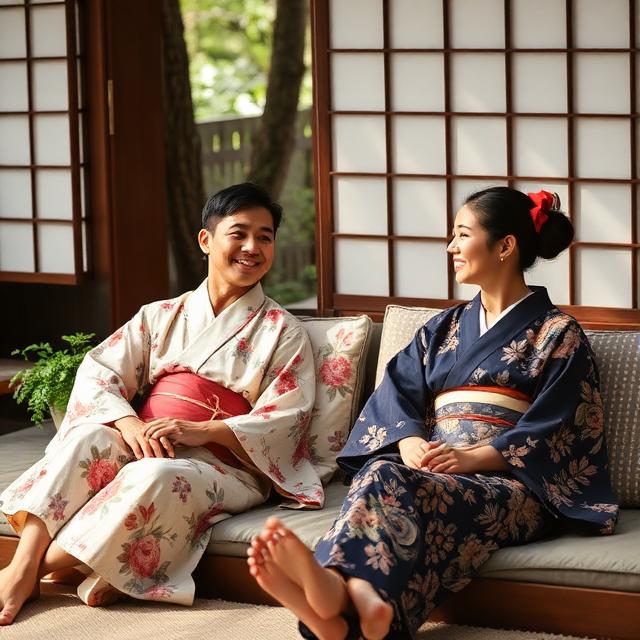
    A couple lounging at home in yukata while sipping coffee and tea.
    Wellness begins at home.

  • The History of the Japanese Kimono: A Garment That Never Goes Out of Style

    Few garments are as instantly recognizable as the Japanese kimono. With its distinctive straight lines, elegant sleeves, and beautifully patterned fabrics, the kimono has become a symbol of Japanese culture around the world. But the kimono is more than simply a traditional piece of clothing. Its history reflects centuries of Japanese art, craftsmanship, social customs, and changing ideas about fashion.

    Today, the kimono continues to inspire designers and fashion lovers while remaining an important part of Japanese celebrations and cultural traditions. So, how did this iconic garment become a style that truly never goes out of fashion?

    The Origins of the Japanese Kimono

    The word kimono literally means “a thing to wear” in Japanese. Although garments resembling the kimono existed earlier, the basic form we recognize today developed during Japan’s Heian period, from 794 to 1185.

    During this era, Japanese clothing became increasingly sophisticated. One of the most famous developments was the jūnihitoe, an elaborate multilayered garment worn by women at the imperial court. Clothing could communicate a person’s status, season and position, while the colors and layers reflected the refined aesthetics of the period.

    The emphasis on beautiful textiles and carefully coordinated colors established an important foundation for Japanese kimono culture.

    The Kimono During the Edo Period

    The Edo period, which lasted from 1603 to 1868, was particularly important in the development of the kimono as we know it today.

    During this time, the kimono became a common form of dress across Japanese society. Different styles, fabrics, colors and patterns could indicate a person’s age, social position, occupation or marital status.

    This was also a golden age for Japanese textile arts. Techniques such as yūzen dyeing allowed artisans to create incredibly detailed designs, while shibori produced distinctive patterns through resist-dyeing techniques.

    Kimono designs often drew inspiration from nature. Cherry blossoms, chrysanthemums, cranes, waves, bamboo and autumn leaves became recurring motifs. These weren’t chosen simply because they were attractive. Many carried symbolic meanings connected to seasons, good fortune, longevity or beauty.

    From Everyday Clothing to Cultural Treasure

    During the late 19th and early 20th centuries, Japan underwent enormous social and political change. Western-style clothing became increasingly popular, particularly following the Meiji Restoration of 1868.

    As Western fashion became more common for everyday wear, the kimono gradually moved away from being daily clothing for much of the population. Instead, it became closely associated with formal occasions, celebrations and cultural traditions.

    Today, people may wear kimono for weddings, tea ceremonies, festivals, coming-of-age celebrations, and other important events. Different types of kimono are still associated with particular occasions and levels of formality.

    This transition helped transform the kimono from everyday clothing into something that could be preserved, appreciated and passed from one generation to the next.

    Why Kimono Patterns Matter

    One of the most captivating aspects of a Japanese kimono is its design.

    Traditional kimono patterns often tell a story. A garment featuring cranes, for example, may symbolize longevity and good fortune. Cherry blossoms can evoke the beauty and fleeting nature of spring, while waves may represent strength and continuity.

    Seasonality is another important element of kimono design. Traditional Japanese aesthetics place great value on celebrating the changing seasons, and kimono patterns often reflect the time of year in which they are worn.

    The fabric itself is equally significant. Silk has historically been prized for luxurious kimono, while cotton and other materials have been used for more casual styles. The quality of the textile, dyeing and craftsmanship can turn a kimono into a true work of art.

    The Kimono’s Influence on Modern Fashion

    Although the kimono has centuries of history behind it, its influence can still be seen in contemporary fashion.

    Designers around the world have drawn inspiration from its wrap-front construction, wide sleeves, flowing silhouette and striking textile patterns. Modern kimono-inspired pieces have adapted these elements into robes, jackets, dresses and other styles that fit comfortably into contemporary wardrobes.

    At the same time, the traditional kimono itself continues to evolve. Contemporary makers experiment with colors, fabrics and patterns while maintaining the garment’s distinctive structure and connection to Japanese craftsmanship.

    This balance between tradition and innovation is one reason the kimono remains so relevant.

    A Garment That Never Goes Out of Style

    What makes the Japanese kimono timeless isn’t simply its beautiful appearance. It is the combination of history, symbolism, craftsmanship, and versatility woven into every garment.

    A kimono can represent a particular season, celebrate an important milestone, or preserve the work of an artisan. It connects the wearer with generations of Japanese artistic and cultural traditions while continuing to inspire new interpretations.

    For anyone interested in Japanese culture, owning or wearing a kimono offers a unique opportunity to appreciate this heritage firsthand. Whether chosen for a special occasion or simply admired for its craftsmanship, the kimono remains one of Japan’s most enduring contributions to the world of fashion.

    After centuries of change, one thing is clear: the Japanese kimono isn’t simply a garment from the past. It is a timeless piece of living culture — and a style that never truly goes out of fashion.

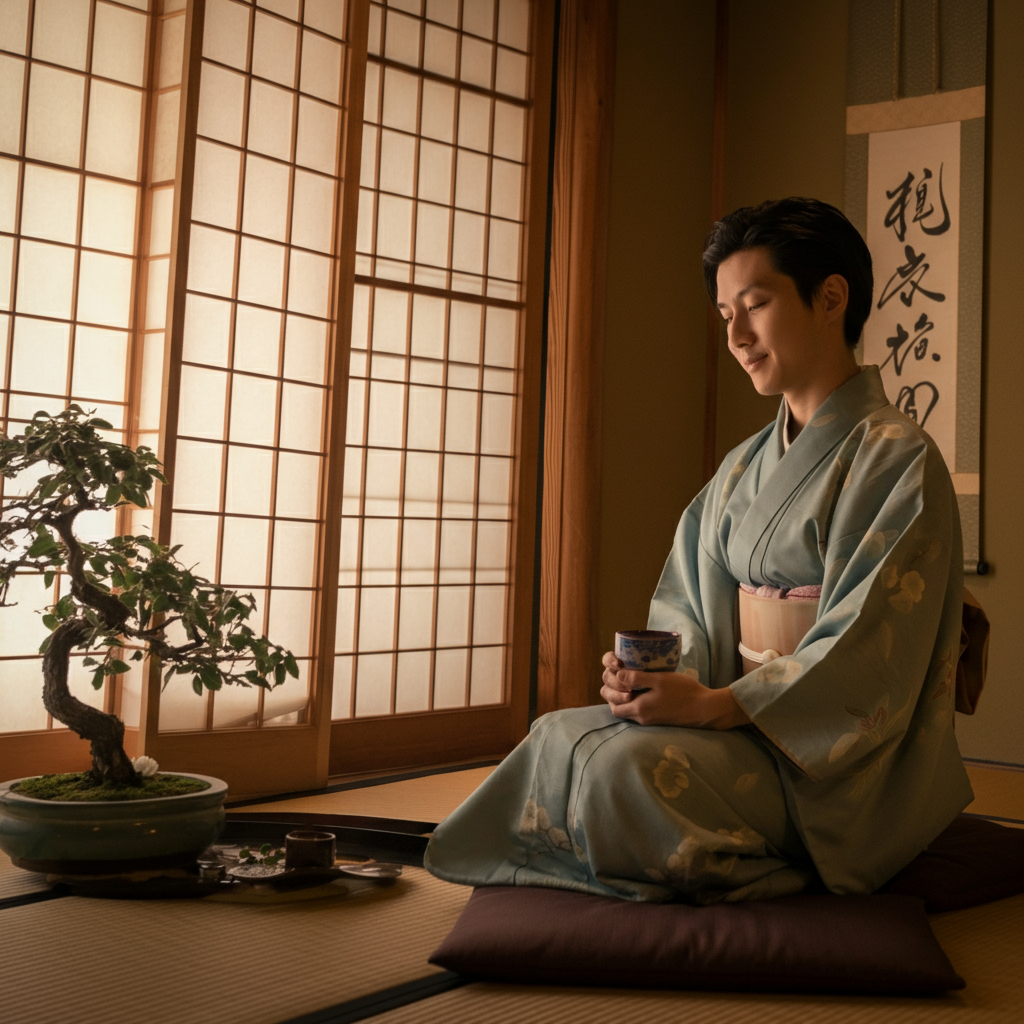
    The Art of Lounging. Comfort luxury. A kimono makes wonderful loungewear.
    Relaxation Loungewear